Every season, we get asked the same question at reception: what to see in Lloret de Mar if you only have a few days. The good news is that almost everything essential is within walking distance of the centre, and that Lloret is much more than its main beach: there are gardens above the sea, a seafarers’ chapel, hidden coves and an old town full of history. This is the list we give our guests.
What to See in Lloret de Mar on Foot from the Seafront
The Seafront Promenade and Lloret Beach
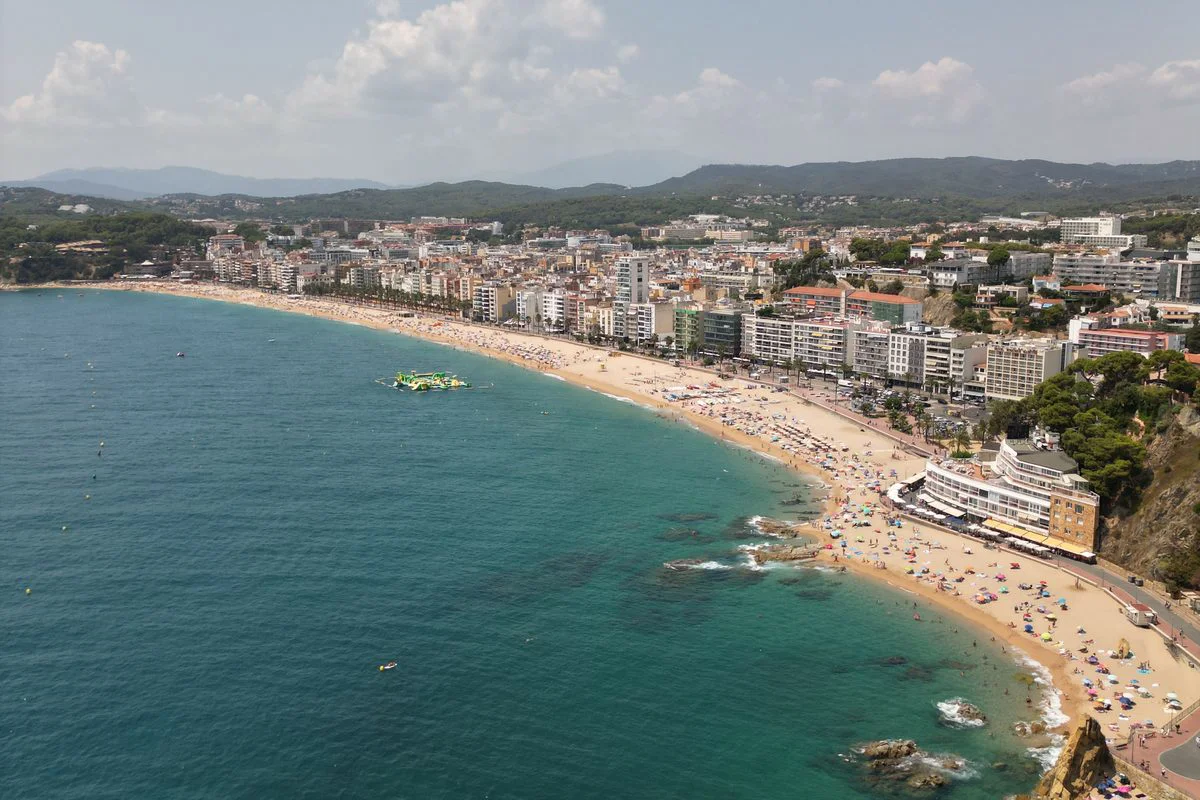
Start with the obvious, but take your time. The palm-lined promenade runs the whole length of Lloret beach and is the best place to feel the pulse of the town: first thing in the morning, with the fishermen and the joggers; at sunset, when the café terraces fill up. At one end you’ll spot the indianos’ mansions, a reminder of the locals of Lloret who made their fortune in the Americas.
Castell d’en Plaja and the Dona Marinera
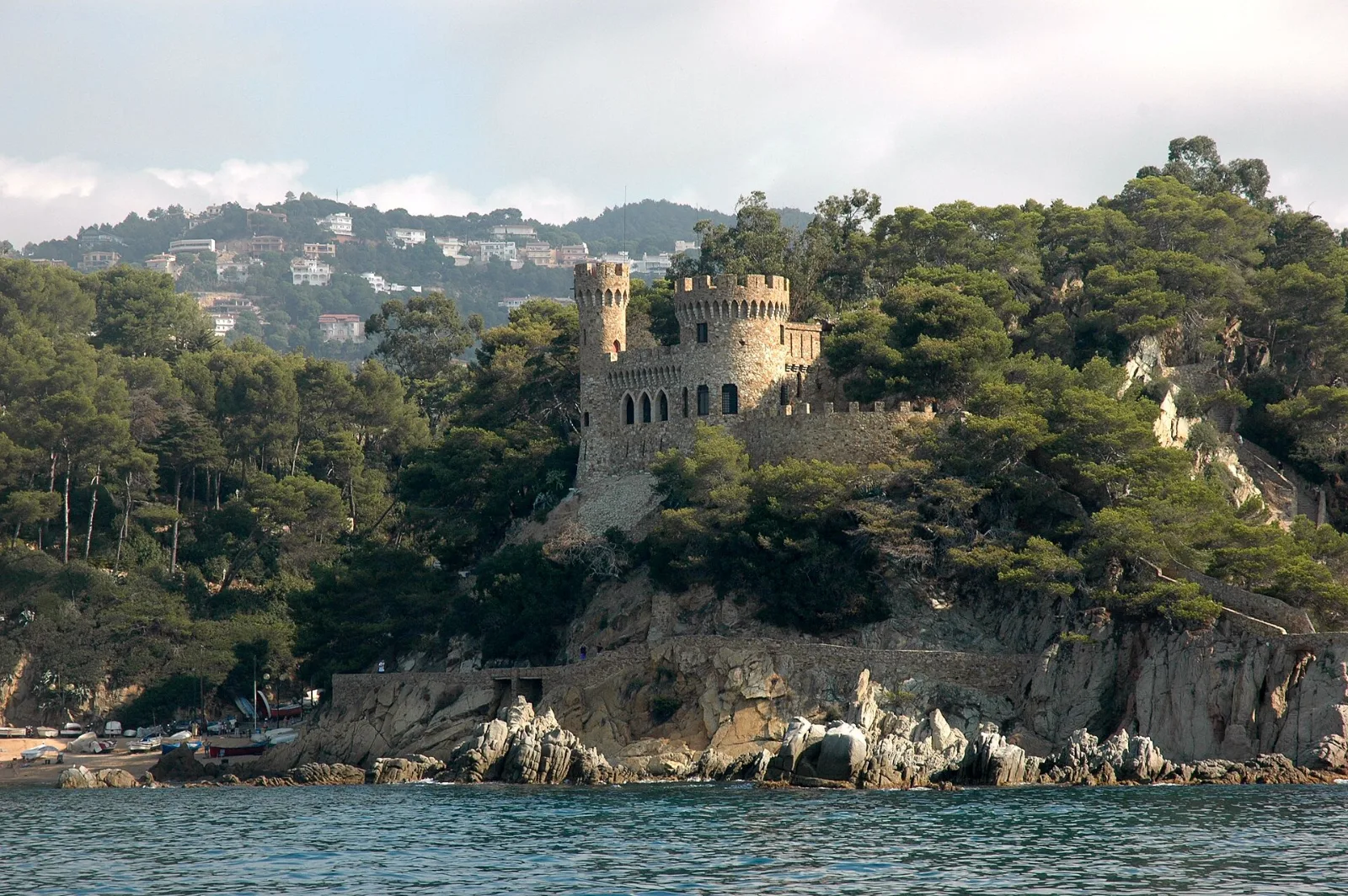
At the end of the beach facing Tossa stands Castell d’en Plaja, a fortress-like building perched on the rocks that has become the postcard image of Lloret. At the opposite end, on the way to Fenals, a viewpoint over the sea is home to the statue of the Dona Marinera, a tribute to the women who waited for the sailors to return. Tradition has it that if you touch her foot while looking out to sea, your wish will come true.
The Old Town and the Church of Sant Romà
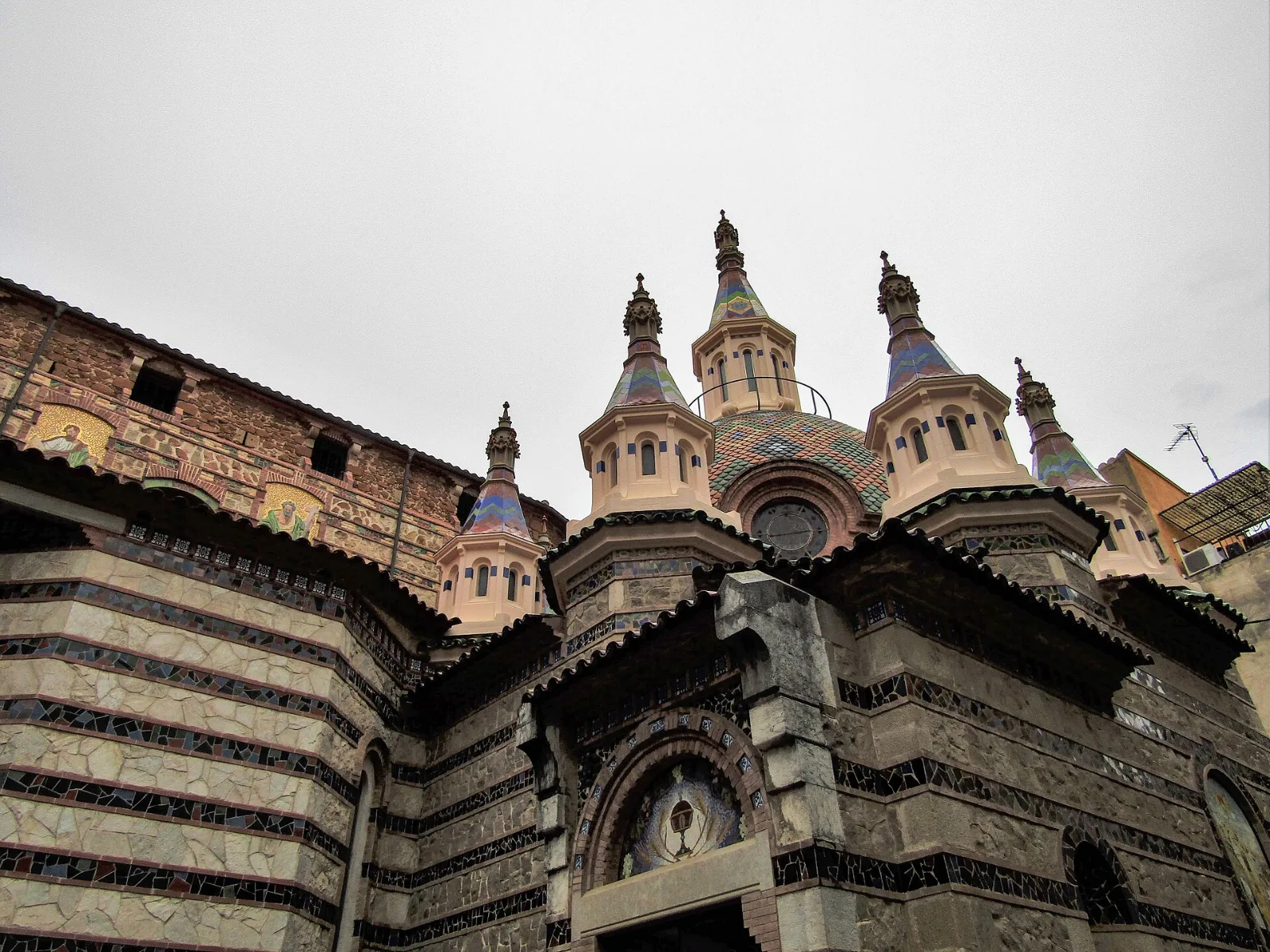
Just a couple of streets back from the sea lies the historic centre, with the church of Sant Romà as its star attraction. Look out for the colourful ceramic domes, added in the Modernista period to a church of Gothic origin: it’s one of the most photogenic spots in town.
The Museu del Mar
If you want to understand Lloret, this small museum on the seafront explains the town’s seafaring past, its shipbuilding and the adventures of the indianos. It’s ideal for an hour out of the midday heat, or for a cloudy day.
Gardens, Chapels and History
Santa Clotilde Gardens
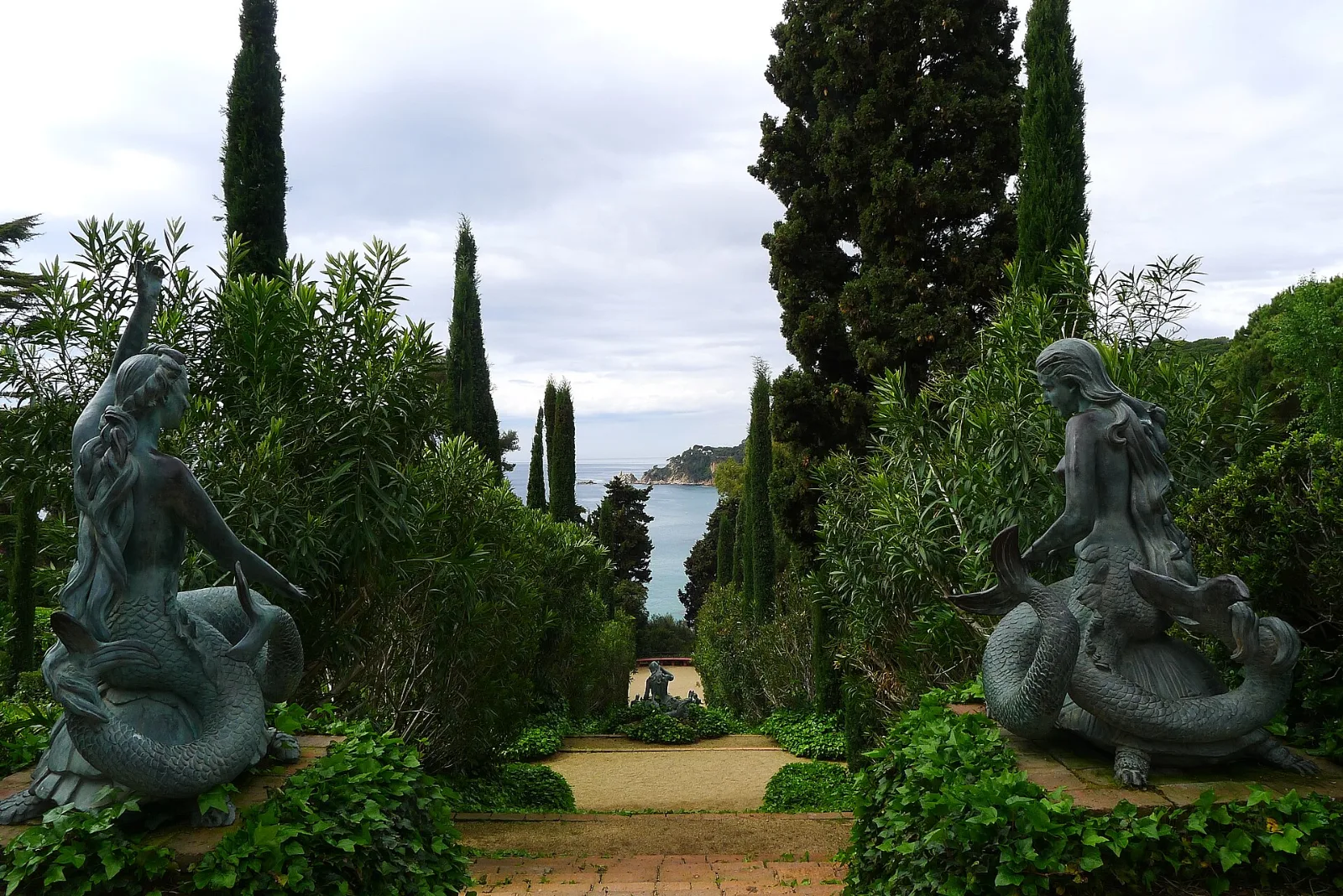
For many, the loveliest spot in Lloret. These Noucentista-style gardens, designed by Nicolau M. Rubió i Tudurí, sit on a clifftop, with stairways, fountains, cypresses and sculptures gazing out over the Mediterranean. Take your time and go when the light is good: late in the afternoon is something special. We’ve written a visitor’s guide to the Santa Clotilde Gardens.
The Modernista Cemetery
It may sound odd, but it’s well worth a visit: the indianos’ families commissioned Modernista-style mausoleums that turn the cemetery into a genuine open-air museum.
Santa Cristina Chapel
Beside the beach of the same name and surrounded by pine trees, the chapel of Santa Cristina is the most cherished spot for the people of Lloret. Every 24 July it is the focus of the town’s patron saint festival, with a procession of boats at sea. Find out more in our guide to the Santa Cristina festivities.
The Iberian Settlements
Long before tourism arrived, the Iberians were already living here. The archaeological sites of Puig de Castellet and Turó Rodó offer a glimpse of that past, with great views over the coast as your reward.
Coves and the Camí de Ronda
Lloret has a collection of beaches and coves that deserves days of exploring: Fenals, Santa Cristina, Sa Boadella, Cala Canyelles, Sa Caleta and Treumal, each with its own character. The best way to discover them is along the Camí de Ronda (GR 92), the coastal path that winds between pine trees and cliffs towards Fenals and Santa Cristina or, if you’re feeling energetic, all the way to Tossa. You’ll find all the details in our guides to the beaches of Lloret and the Camí de Ronda. Bring comfortable shoes, water and a snorkel mask: the clear water among the rocks is made for snorkelling.
If You Have Extra Days: Nearby Excursions
Lloret is a great base for exploring the Costa Brava. Tossa de Mar and its walled Vila Vella are very close; Girona, with its old quarter, is a classic day trip, and Barcelona is within easy reach by car or bus for a day in the city.
A Base Right on the Seafront
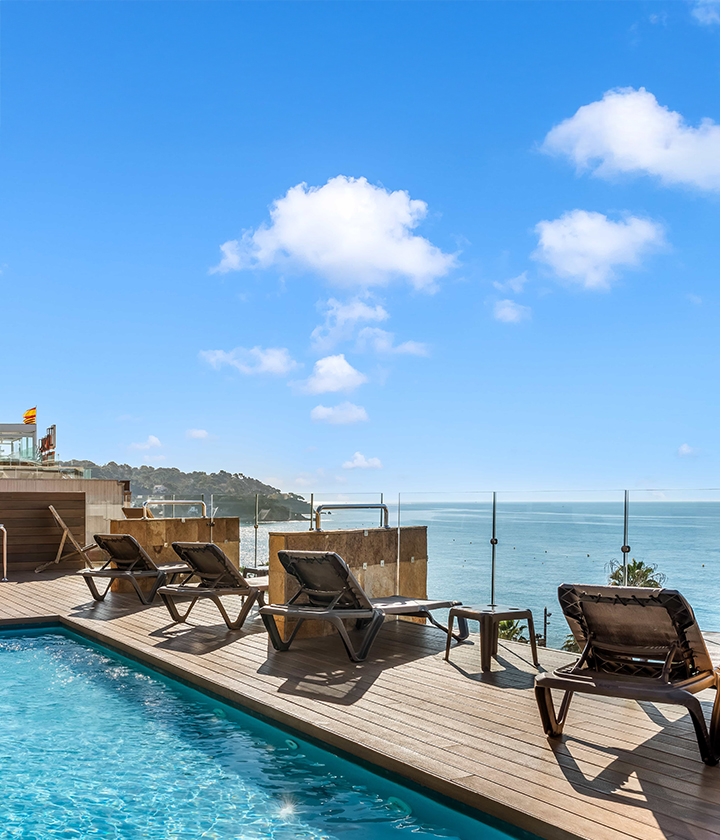
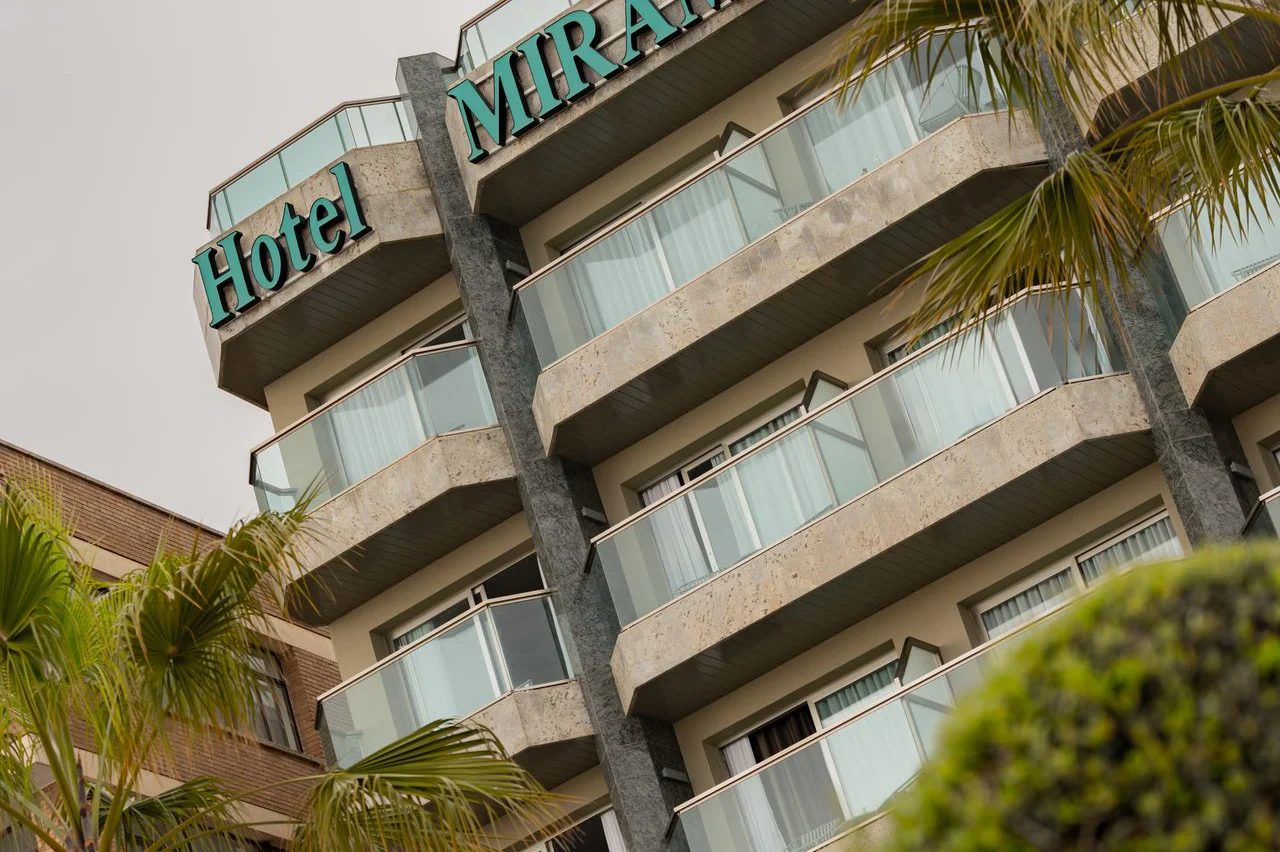
At the Hotel Miramar, on Passeig Jacint Verdaguer, the beach is just a few steps away and the old town a short stroll. After a day of sightseeing, there’s nothing better than heading back to the rooftop pool with its sea views and starting the next day with a good breakfast buffet. If you’d like to know why we love being on the seafront so much, we explain it in hotel by the sea in Lloret de Mar.
Frequently Asked Questions
How many days do you need to see Lloret de Mar?
Two or three days is enough to see the essentials of the town and a cove or two. If you’d like to walk the Camí de Ronda and take a trip to Tossa or Girona, a week is better.
What to see in Lloret de Mar when it rains?
The Museu del Mar, the church of Sant Romà and the Modernista cemetery are all good options for a grey day. Girona is also a great alternative.
Can you see everything on foot?
The centre, the promenade, Castell d’en Plaja and the Dona Marinera, yes. For Santa Clotilde and the more distant coves, you can follow the Camí de Ronda or use transport.
Book Your Stay in Lloret de Mar
Book on our official website for the best price and exclusive offers, such as our Early Booking deal with 10% off when you reserve in advance. Come and discover Lloret with the sea right in front of you.