Many people come to Lloret thinking only of beaches, but the town holds a surprising architectural heritage from the late 19th and early 20th centuries. Modernist Lloret de Mar is the legacy of the “americanos”, locals who emigrated to the Americas, made their fortunes and came home to build houses, family tombs and chapels designed by some of the great names of Catalan Modernisme. Here’s a walk to help you discover it.
Modernist Lloret de Mar: the legacy of the americanos
During the 19th century, many people from Lloret set sail for Cuba, Puerto Rico, Argentina and other ports across the Americas. Those who returned with money, known here as “americanos” or indianos, wanted to show off their success in their home town. It coincided with the golden age of Modernisme in Catalonia, and the result is a collection of buildings that you can now explore on foot in a single morning, with the sea never far away.
The Cementiri Modernista: funerary art facing the Mediterranean
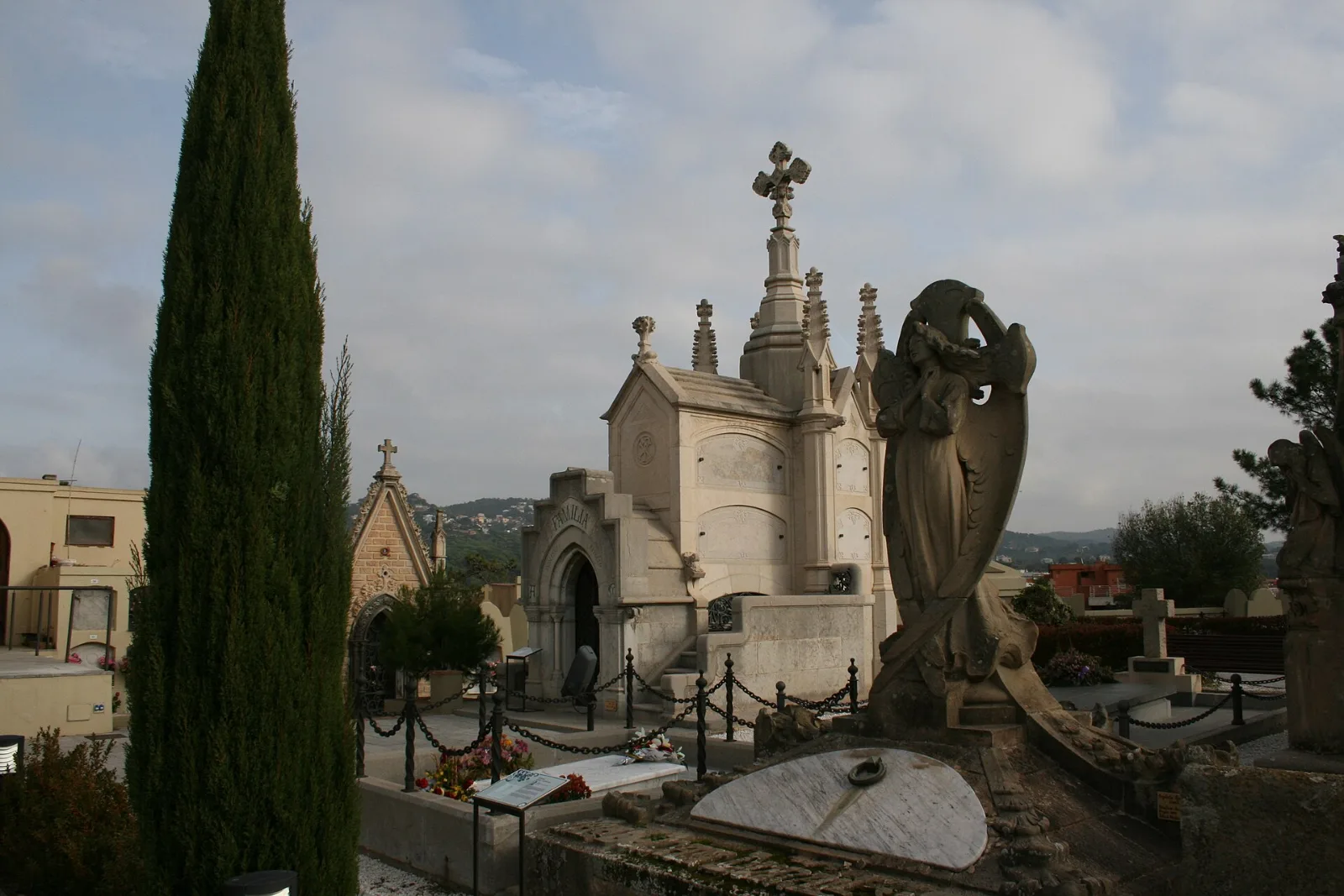
This is the jewel in the crown of Lloret’s Modernista heritage and one of the most distinctive cemeteries in Catalonia. Designed by Joaquim Artau in the late 19th century, it gradually filled with family tombs commissioned by the americanos, who wanted their prestige to be seen here too.
Leading architects and sculptors worked along its avenues, including Josep Puig i Cadafalch, Antoni M. Gallissà, Vicenç Artigas and Bonaventura Conill, as well as sculptors such as Eusebi Arnau and Ismael Smith. The result is a genuine open-air museum of Modernista funerary art: angels, plant motifs, stained glass and shapes reminiscent of the Gaudí school. The cemetery is part of the European Cemeteries Route.
Tips for your visit
- Remember that this is a working cemetery, so please visit respectfully and quietly.
- The best light is first thing in the morning or in the mid-afternoon.
- Lloret’s tourist office runs guided tours at certain times of year; check with them for the current programme.
Sant Romà church: Gothic with a Modernista touch
In the heart of the old town, just a few minutes from the seafront promenade, stands the parish church of Sant Romà. The present building was consecrated in 1522 and follows the Catalan Gothic style; it was built close to the sea, where the town’s fishermen and sailors lived.
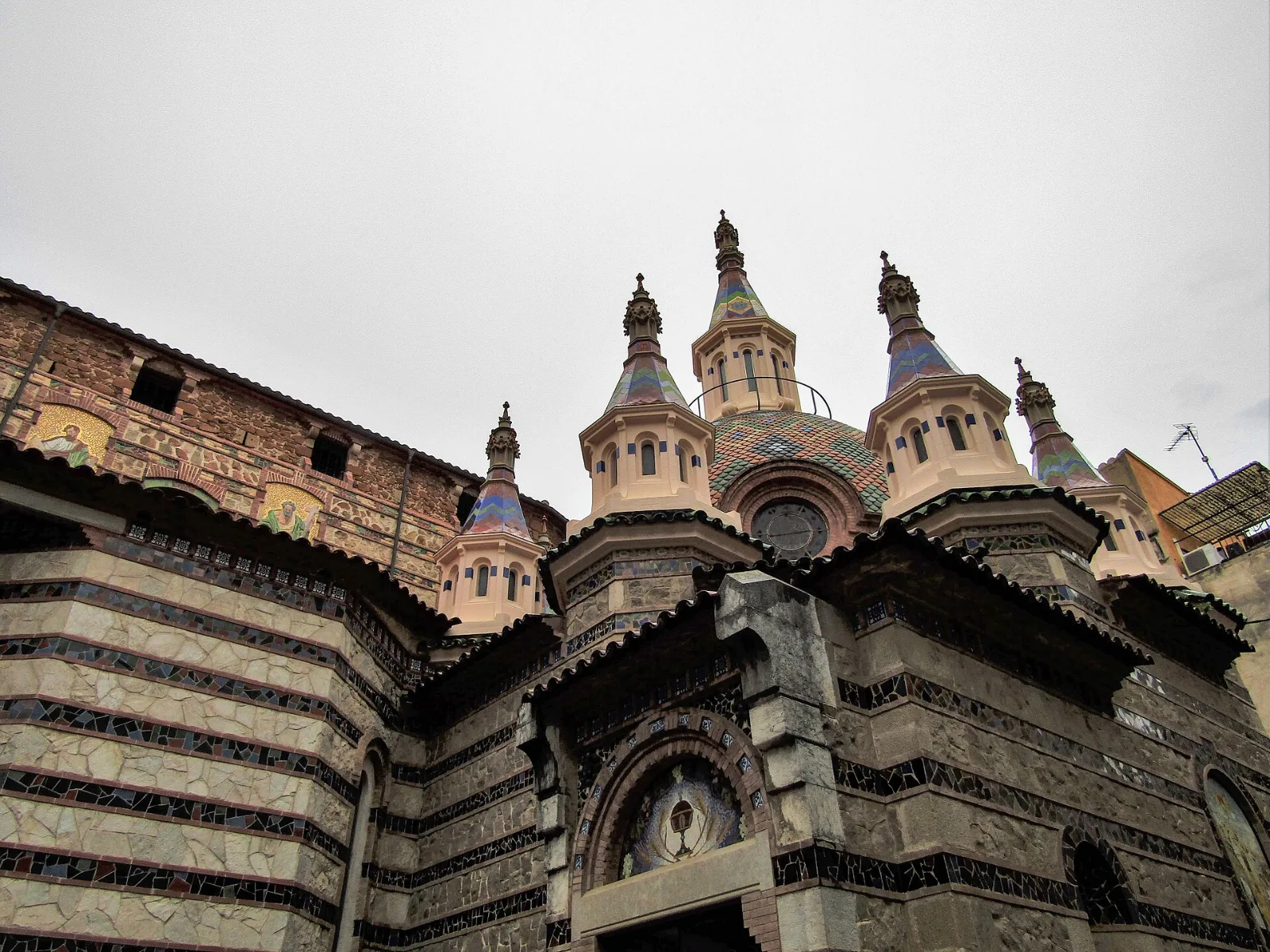
In the early 20th century, the Chapel of the Blessed Sacrament was added, designed by the Modernista architect Bonaventura Conill and paid for with the americanos’ fortunes. As a result, Sant Romà today combines Gothic sobriety with Modernista details and a colourful exterior that, on a sunny day, is one of the most cheerful sights in Lloret.
Indianos’ houses and the Museu del Mar
Stroll along the seafront promenade and through the streets of the town centre with your eyes raised: you’ll spot wrought-iron balconies, galleries, gardens and decorative details that reveal the taste of the americanos who built them. Many of these houses are still private homes, so they are best enjoyed from the street.
The easiest one to visit is Can Garriga, one of the town’s most important indianos’ houses, which is now home to the Museu del Mar. Inside, you’ll discover Lloret’s seafaring history and the journeys of those who crossed the Atlantic. It’s the perfect complement for making sense of the rest of the route.
A walking route through Modernist Lloret
- Start at the Cementiri Modernista first thing, when it’s quietest.
- Head down towards the centre and wander through the old town’s streets, taking in the façades.
- Visit the Museu del Mar at Can Garriga, on the seafront promenade.
- Finish at Sant Romà church, then treat yourself to a swim at Lloret beach.
If you have time left, round off the day with the Santa Clotilde Gardens, a Noucentista garden overlooking the sea, or with a walk to the Dona Marinera. You’ll find more ideas in our guide to what to see in Lloret de Mar.
Where to stay to discover Modernist Lloret
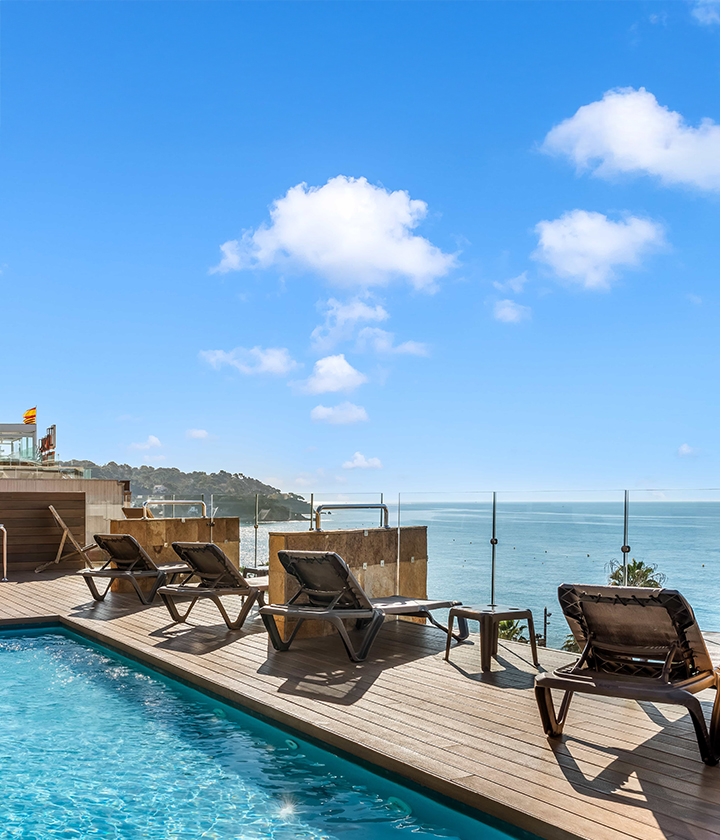
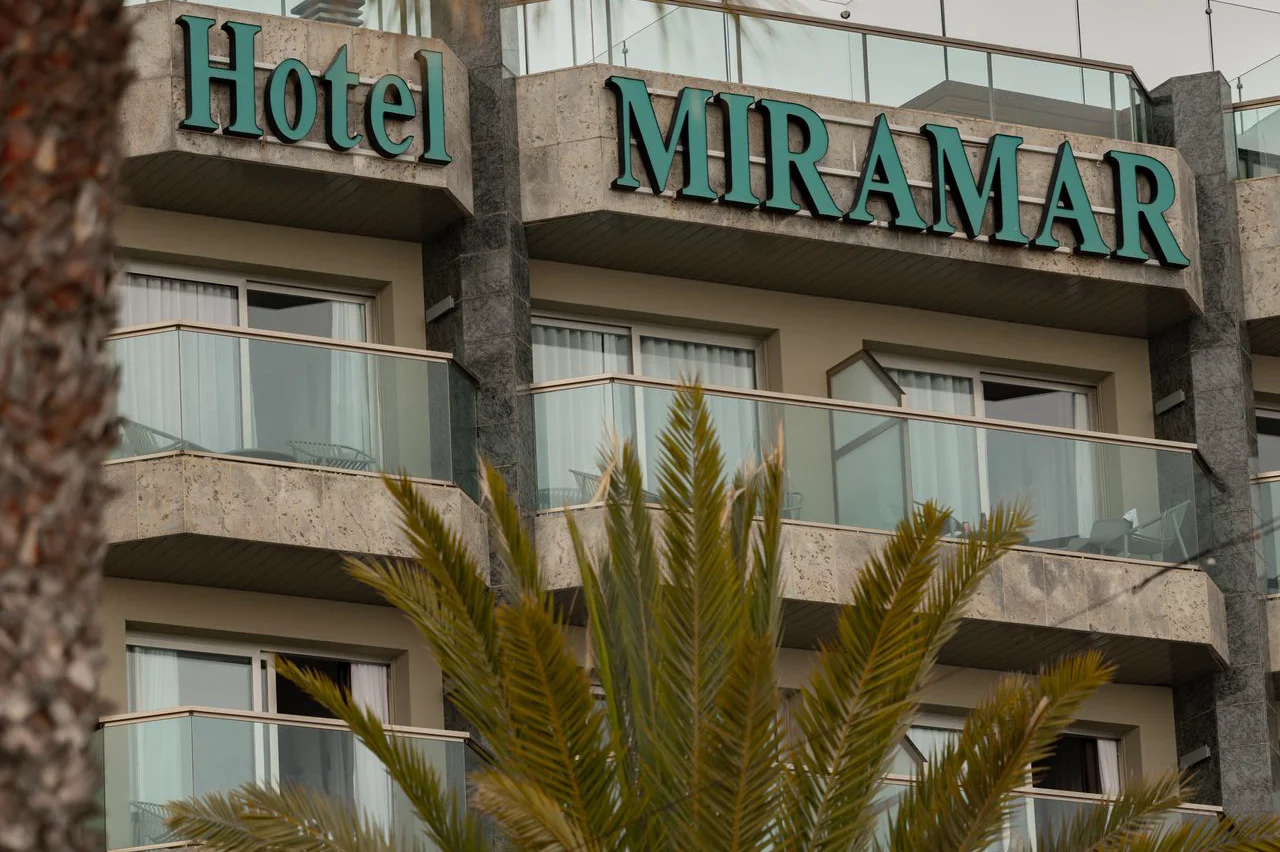
The Hotel Miramar is on Passeig Jacint Verdaguer, right on the seafront and a short stroll from the old town, Sant Romà and the Museu del Mar. You can do the whole route on foot and be back by lunchtime for a dip in the rooftop pool, with views over the Mediterranean. In the morning, our buffet breakfast will give you the energy to set off.
Frequently asked questions
Can you visit Lloret’s Modernist cemetery?
Yes, you can visit freely, as long as you remember that it is a working cemetery. Guided tours are available at certain times of year; check with the tourist office.
Who were Lloret’s americanos?
They were locals who emigrated to the Americas in the 19th century, made their fortunes and returned home, funding houses, family tombs and works such as the Chapel of the Blessed Sacrament at Sant Romà.
How long does the Modernist route take?
A morning is enough to see the cemetery, the old town, the Museu del Mar and Sant Romà without rushing.
Book your cultural getaway to Lloret
Beach, history and art just steps from your room. Book directly on our website for the best price and exclusive offers, such as our Early Booking deal with a 10% discount.