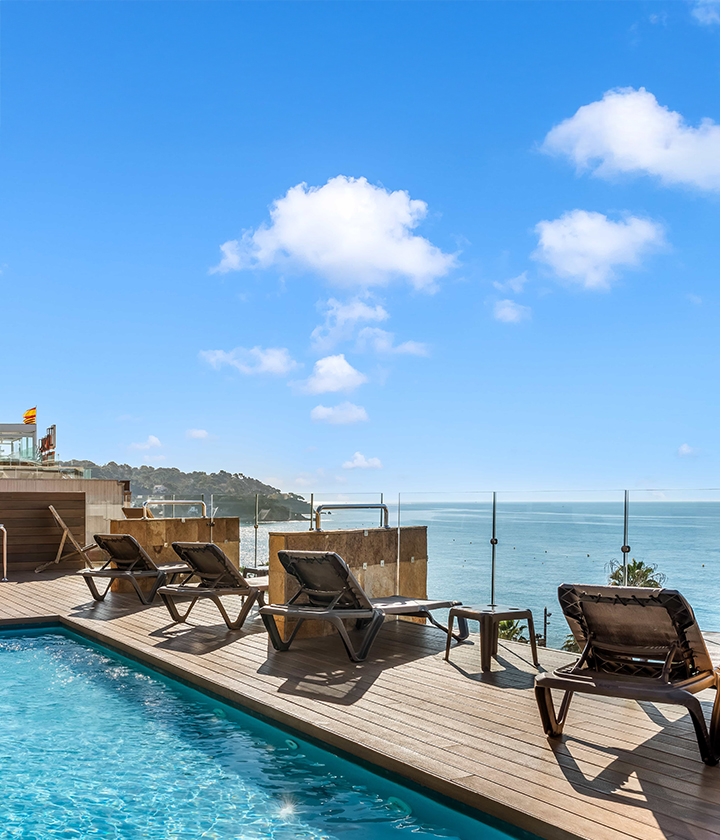
Before the parasols and the ice-cream strolls, Lloret was a village of fishermen, shipwrights and sea captains who sailed across the Atlantic. That past is still very much alive just a few steps from the hotel, and the best way to discover it is to start at the Museu del Mar Lloret, follow the seafront promenade and finish in front of the Dona Marinera. We suggest a relaxed route, the kind you do on foot without ever looking at your watch.
The Museu del Mar Lloret: the story of the town told from the sea
The museum is housed in Can Garriga, a former indiano mansion right on the seafront promenade. The indianos were people from Lloret who emigrated to the Americas, made their fortune and came back to build houses like this one, which still give the seafront its character today. The fact that the museum stands right here tells a good part of the story in itself.
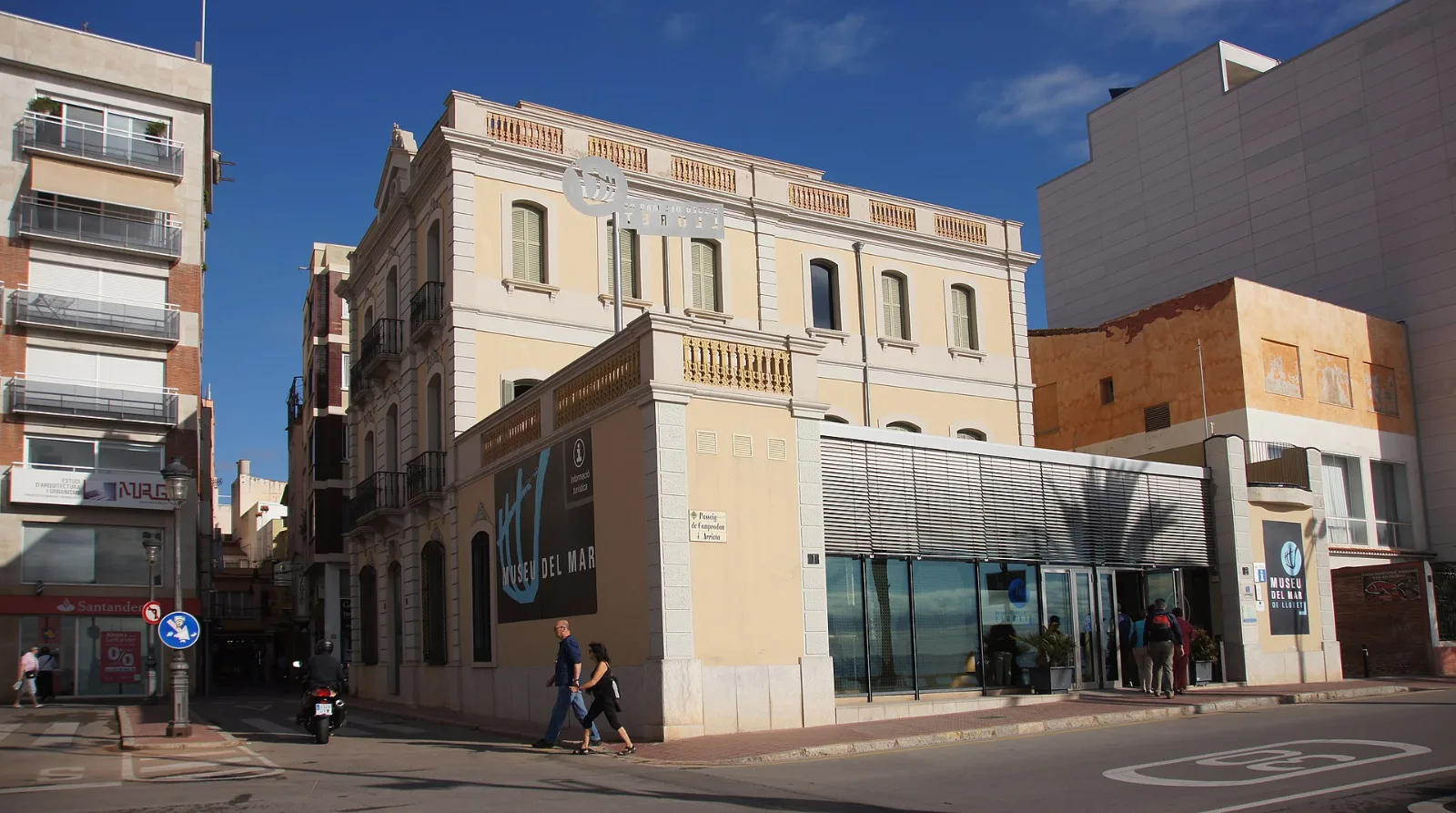
Inside, the exhibition explores Lloret’s relationship with the Mediterranean through the lives of its fishermen, craftsmen and sailors: traditional fishing, boatbuilding on the beach, voyages overseas and the mark all of this left on the town. It’s an enjoyable visit for all ages and a great idea for a cloudy morning or the hottest hours of the day.
Tips for your visit
- Check opening times and prices on the museum’s official website or at the tourist office before you go, as they vary depending on the season.
- Combine it with a stroll around the old town: the church of Sant Romà and the indiano houses are very close by.
- If you’re visiting with children, turn it into a little treasure hunt: ships, maps and objects from on board.
From the museum to the Dona Marinera along the promenade
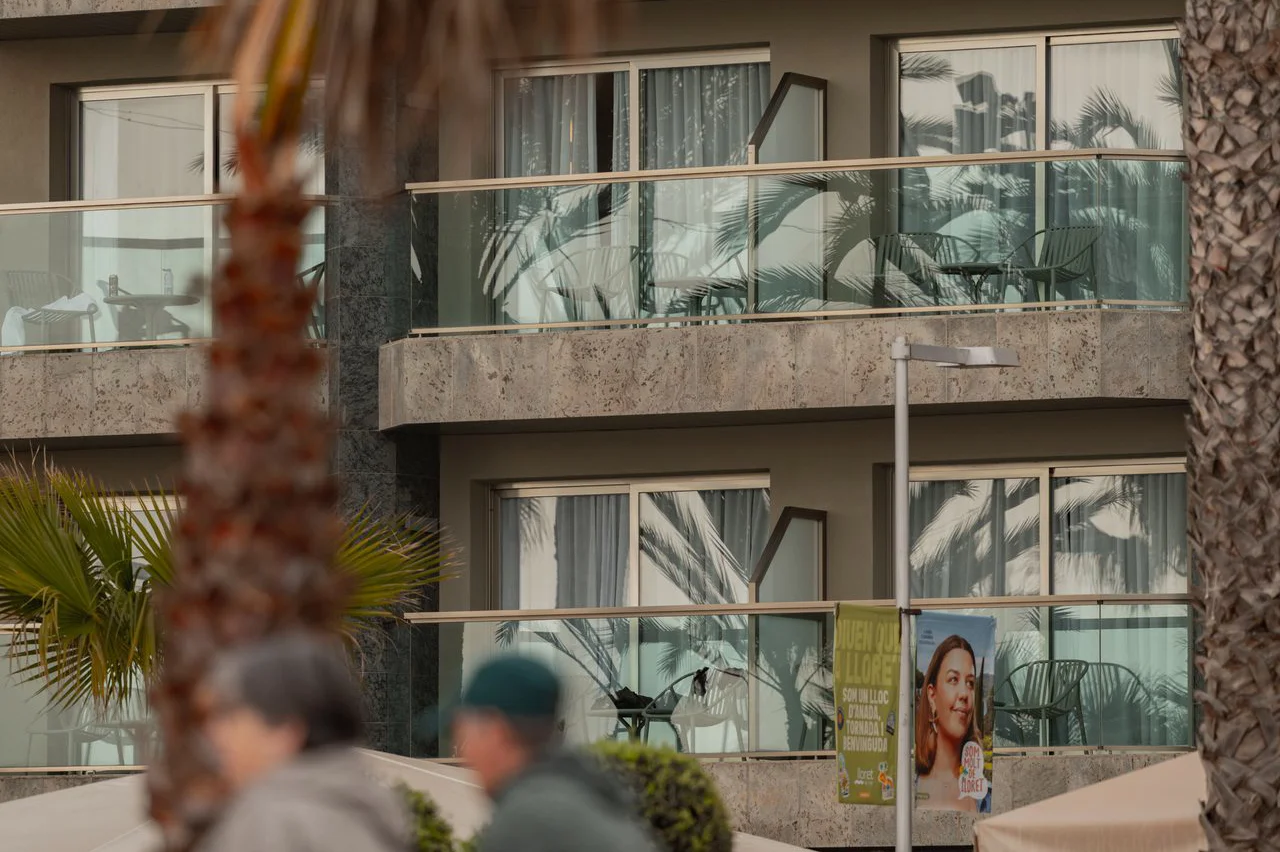
When you leave, simply follow the seafront promenade beneath the palm trees. On one side is Lloret’s big beach; on the other, façades that recall the Lloret of the indianos. It’s the same promenade where Hotel Miramar is located, so you can start or finish the route right at the hotel’s front door.
The Dona Marinera, the symbol of seafaring Lloret
At one end of the beach, on the rocks, a bronze woman gazes out at the horizon. This is the Dona Marinera, the work of sculptor Ernest Maragall, put in place in 1966 and ever since one of the town’s most iconic symbols. She pays tribute to the women of Lloret who, while their husbands and sons were out at sea or trying their luck in the Americas, kept the home, the family and much of the town’s life going.
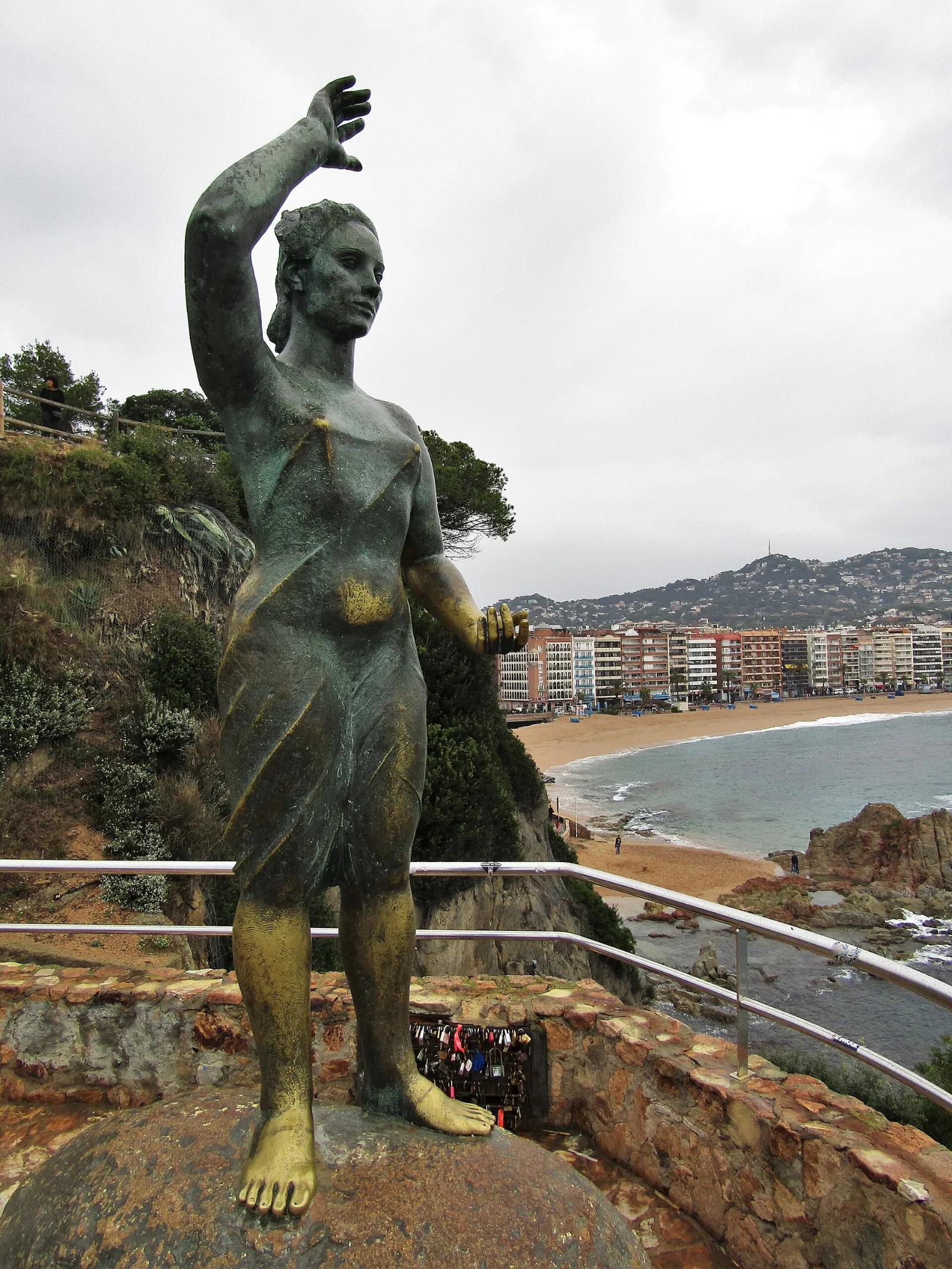
Tradition has it that if you touch the statue’s foot while looking out to sea, just as she does, your wish will come true. You’ll notice the bronze is polished bright at that spot from all the visitors. From the viewpoint you get one of the loveliest views of the bay, and at the far end of the beach you can make out Castell d’en Plaja, which is best admired from the outside and completes the picture-postcard scene.
A seafaring tradition that’s still alive
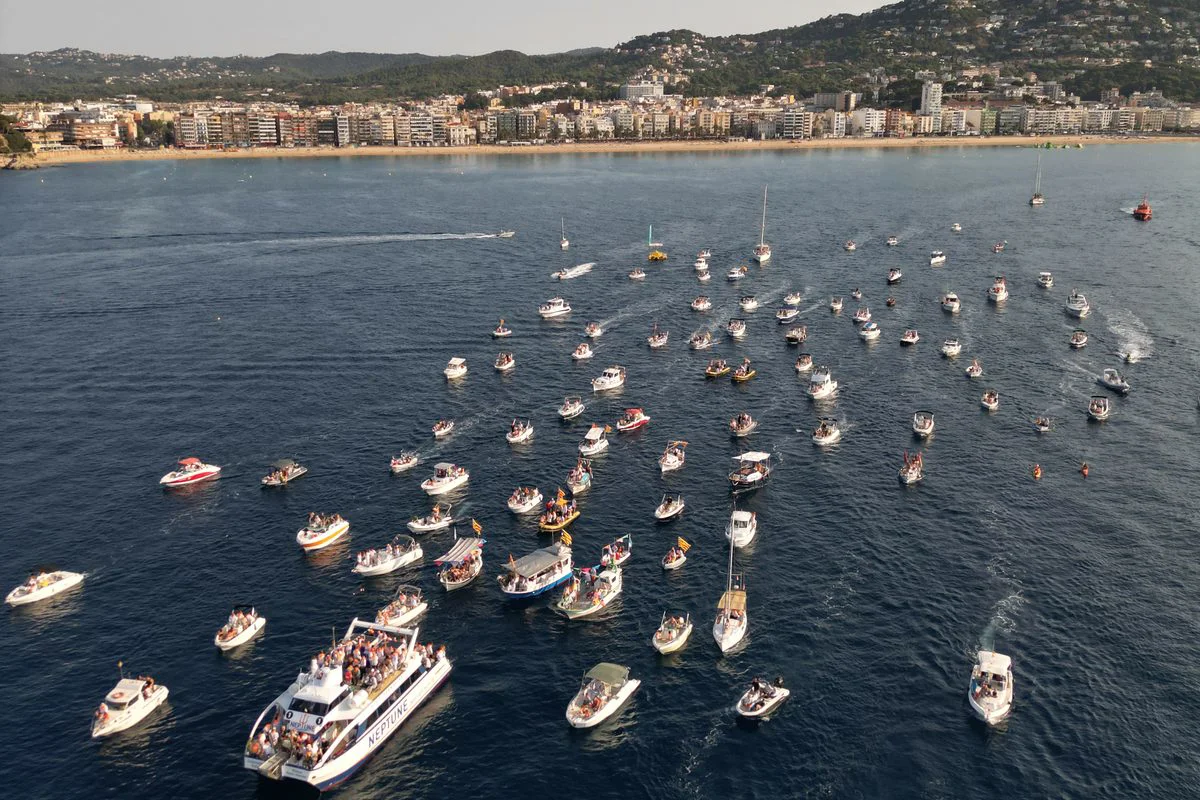
In Lloret, the sea isn’t just something for museums. The boats are still part of the landscape and, every 24 July, they take centre stage in the maritime procession of the Santa Cristina festival, when a flotilla escorts the saint from the beach to her hermitage. If you’re here at that time, don’t miss it; we tell you all about it in our guide to the Santa Cristina festival.
To round off the day, you can follow the Camí de Ronda towards Fenals or explore Modernist Lloret, another legacy of the indianos.
Frequently asked questions
Where is the Museu del Mar in Lloret?
It’s in Can Garriga, an indiano mansion on the seafront promenade, opposite the main beach. From Hotel Miramar it’s an easy stroll along the seafront.
What does the Dona Marinera statue mean?
It’s a tribute to the wives of Lloret’s sailors, who waited for the boats to return and kept the life of the town going. According to tradition, touching her foot while looking out to sea brings good luck.
Is the route suitable for children?
Yes. It’s a short, flat walk along the promenade, with the museum as an indoor stop and the beach always close by for a break.
Stay in the heart of seafaring Lloret
Staying at Hotel Miramar puts the promenade, the beach and the Museu del Mar all within a short stroll, with a rooftop pool to end the day gazing out over the Mediterranean. Book on our official website for the best price and exclusive offers such as our Early Booking -10%.
Before booking, almost all of us do the same thing: open a few tabs, compare prices and hunt for Lloret de Mar hotel offers that are genuinely worth it – the very thing we type into the search bar as ‘Lloret de Mar hotel offers’. It’s only natural. But more and more travellers are discovering that the best deal isn’t always on whichever booking site they happen to be using, but on the hotel’s own website. Here’s what you gain by booking directly with Hotel Miramar and how to make the most of our promotions – no small print.
Lloret de Mar hotel offers: what you gain by booking direct
When you book on the official website, you deal with us from the very first click. That comes with some very real advantages:
- Best price: we publish the hotel’s rates on our website with no middlemen.
- Exclusive promotions: some offers you’ll only find here, such as Early Booking -10% for those who book in advance.
- First-hand information: photos, room types and services just as they are, kept up to date by the hotel itself.
- Direct contact: if you’re travelling with children, celebrating an anniversary or arriving late, just let us know and we’ll do our best to take it into account.
Early Booking: book early and get rewarded
The easiest promotion to take advantage of is the early booking offer. With Early Booking you get 10% off for planning your trip ahead of time. As well as saving money, booking early gives you more to choose from: the most sought-after rooms, such as the Double Room with Sea View and Terrace, are the first to sell out in high season. The specific conditions of each promotion (dates, type of rate, changes policy) are always set out in detail during the booking process, so do read them before you confirm.
What’s included in your stay at Hotel Miramar
A good offer isn’t just about the price – it’s about what you get for it. At the Miramar, a four-star superior hotel right on the seafront promenade, you can enjoy:
- A seafront location, just a few steps from Lloret beach.
- An outdoor rooftop pool with views over the Mediterranean.
- A sauna and gym to unwind after a day at the beach or a hike.
- A restaurant serving a very full buffet breakfast: pastries, fruit, hot dishes and juices.
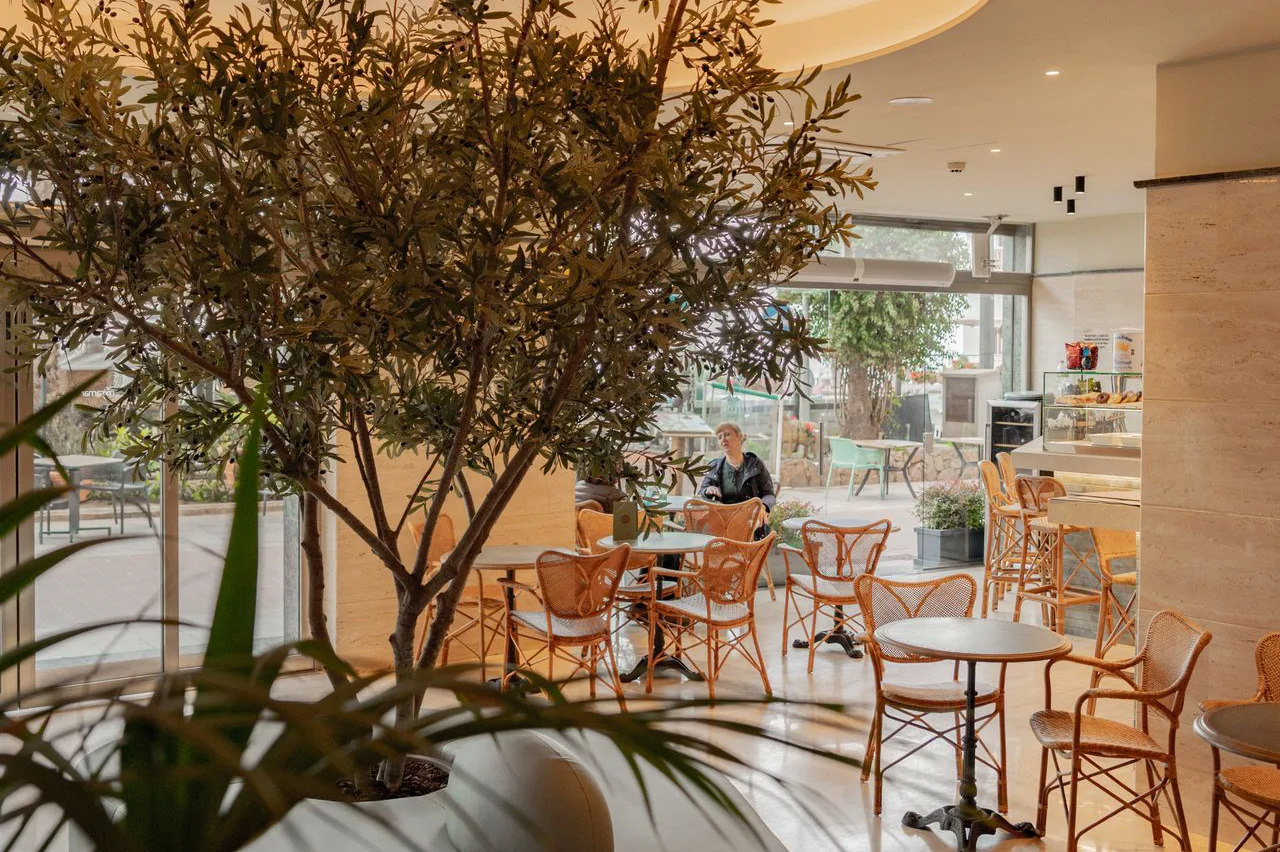
- A bar-café in the lobby and free wifi throughout the hotel.
- Laundry service and a paid car park about 400 metres away.
You can find all the details in our guide to the hotel with a pool in Lloret de Mar and in our post on the buffet breakfast.
How to choose a room to suit your trip
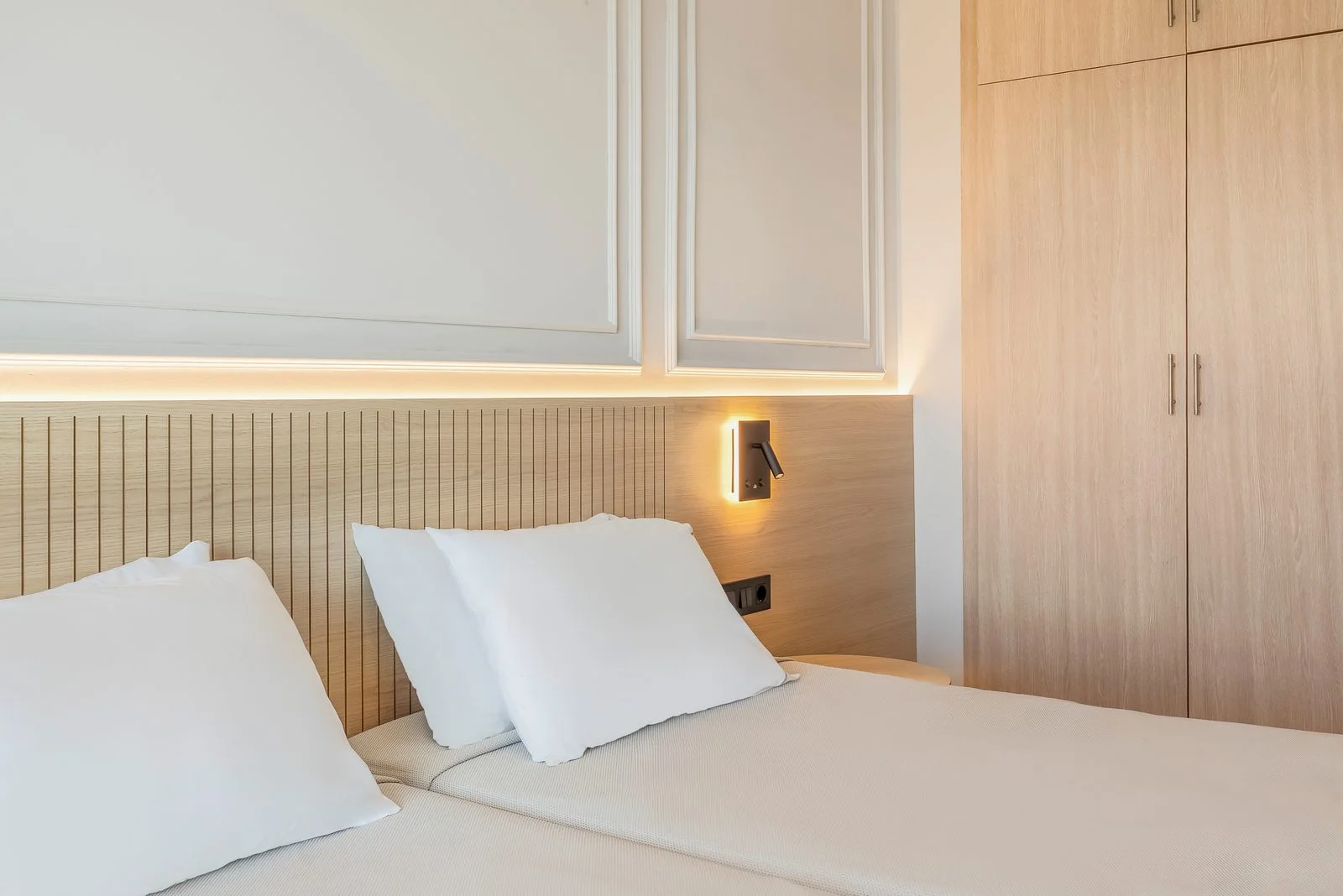
Our rooms have been refurbished in a bright, natural style, and all of them come with wifi, an LED TV, a safe and a minibar. When it comes to choosing, think about how you’ll be using your stay:
If you’re travelling as a couple
A room with a terrace and sea views can transform a getaway: having breakfast or a drink while gazing out at the Mediterranean is one of those little touches you remember. If that sounds like you, take a look at our ideas for a romantic getaway.
If you’re coming with the family
Having the beach right in front of you and the pool on the roof makes days with children so much easier. Let us know how many of you are travelling when you book, and we’ll point you towards the option that suits you best.
Tips for finding the best price
- Book in advance to take advantage of Early Booking and have more availability to choose from.
- Be flexible with your dates: outside July and August it’s usually easier to find availability, and Lloret is lovely in spring and in September.
- Compare rooms, not just prices: sea views or a terrace may well be worth the difference.
- Check the offers section of the website before you decide, as promotions can change throughout the year.
Frequently asked questions about our offers
Where can I find Hotel Miramar’s current offers?
On the hotel’s official website, in the offers section and during the booking process, where the promotions available for your dates are displayed.
What is Early Booking?
It’s our advance booking promotion: 10% off for booking ahead on the official website. The specific conditions are shown when you select the rate.
Can I make special requests when booking direct?
Yes. When you book with us, you can let us know about any preferences or special circumstances, and we’ll do our best to accommodate them, subject to availability.
Book your stay at the best price
If you already have dates in mind, the simplest step is also the most rewarding: book on our official website. You’ll get the best price, exclusive promotions such as Early Booking -10% and the personal touch of the Hotel Miramar team from the very start.
When September starts to say its goodbyes, you notice it straight away along the seafront: fewer towels on the sand, more people strolling without a care in the world, and a golden light that stretches out the afternoons. Lloret de Mar in autumn is a different town, calmer and a little more our own, and for many of our guests it’s their favourite time of year. Here’s why it’s worth a visit and how to make the most of these days from the seafront promenade.
Why visit Lloret de Mar in autumn
Autumn on the Mediterranean is usually gentle. The first few weeks hold on to much of the summer warmth and the sea is slow to cool down, so there are still plenty of days for a swim, especially early in the season. As the weeks go by, the evenings turn cooler and you’ll get the odd rainy day or choppy sea, but also plenty of clear, bright days that are perfect for walking.
- Quiet beaches: you can enjoy the Platja de Lloret and Fenals with plenty of room to spare, and the little coves get their calm back.
- Fewer queues: restaurants, gardens and museums can be visited without the crowds.
- Pleasant temperatures for walking routes, without the fierce midday heat of summer.
- Local atmosphere: the town goes back to its own rhythm, and you can feel it on the terraces and at the market.
Beaches and coves in autumn: swimming and strolling
If you love to swim, the early days of autumn are a real treat: the water is still pleasant and you’ll have the sand almost to yourself. Later on, the beach is still the best spot for a long walk at sunset or for reading in the sun on a windless afternoon. Bear in mind that outside the summer months there aren’t always lifeguards or beach services, so take care when swimming and keep an eye on the state of the sea. If you’re looking for ideas, here’s our guide to the beaches of Lloret de Mar.
What to do in Lloret in autumn
Walk the Camí de Ronda
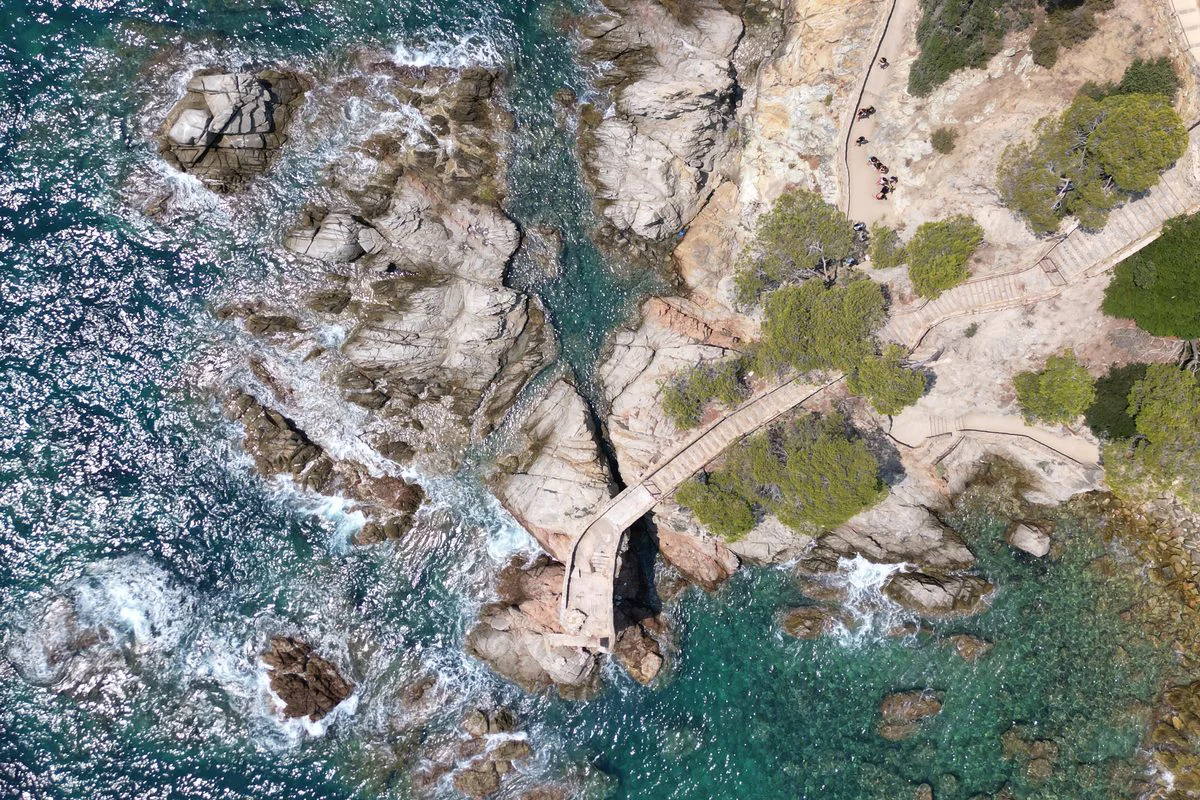
This is the best season for walking the coastal path (GR 92). Heading south, it takes you to Fenals, Sa Boadella and the chapel of Santa Cristina; heading north, along a more demanding stretch, to Sa Caleta and Canyelles. Take water and closed shoes, and set off early if you want to see the sea in the low morning light. You’ll find more details in our guide to the Camí de Ronda.
Gardens and heritage
The Santa Clotilde Gardens, the Noucentista garden designed by Nicolau M. Rubió i Tudurí and perched above the sea, look especially lovely in the autumn sun. In the centre, the church of Sant Romà, the Modernist cemetery and the Museu del Mar, on the seafront, make for an unhurried morning of culture. And in November Lloret celebrates its winter festival, the Festa de Sant Romà.
Nearby day trips
With less traffic on the roads, it’s easy to pop over to Tossa de Mar and its Vila Vella, or spend the day in Girona, which has a special charm in autumn. If you’d like to plan ahead, take a look at our Costa Brava excursions.
Eating in autumn: seasonal dishes
Catalan cuisine changes with the calendar. Woodland mushrooms arrive, along with sea-and-mountain stews and fish suquets, the sort of dishes you crave more when the weather turns cooler. Ask at restaurants what they have in season and let them make a recommendation. To start the day, the hotel’s breakfast buffet, with freshly baked pastries, fruit, hot dishes and juices, is the best fuel before a walk.

Practical tips for your autumn break
- Dress in layers: mornings and evenings are cool, while middays can be warm enough for short sleeves.
- A light waterproof jacket takes up almost no space and will save you in a downpour.
- Check opening hours: some beach businesses cut back or close at the end of the season.
- Book well ahead for bank holiday weekends, which tend to fill up early.
At Hotel Miramar, right on the seafront, autumn is enjoyed at a different pace: a leisurely breakfast, a stroll along the water’s edge and, on your return, a sauna or a little time in the gym before dinner.
Frequently asked questions about Lloret in autumn
Can you swim in Lloret de Mar in autumn?
Yes, especially in early autumn, when the sea still holds the warmth of summer. Later on it depends on the day and how much you feel the cold; plenty of people take a quick dip during the sunniest hours.
Is there any life in Lloret outside the summer?
It’s less boisterous and more local. It’s ideal if you’re after rest, good food, walks and quiet beaches rather than nightlife.
What’s the weather like in Lloret in autumn?
Generally mild, with sunny, pleasantly warm days and cooler nights. There can be spells of rain or stormy weather, so check the forecast before planning any coastal walks.
Your autumn by the sea in Lloret
Waking up to the Mediterranean in front of you, with the beach just a few steps away, is the perfect plan for this time of year. Hotel Miramar, right on the seafront promenade, is waiting for you with bright rooms, some with a terrace and sea views. By booking on our official website you get the best price and exclusive offers such as Early Booking -10%.
Two days can go a long way if you know where to head. A weekend in Lloret de Mar can include a swim in a cove, a stretch of the Camí de Ronda, a garden perched above the sea and dinner with a view, all without getting in the car. As your hosts, here is the plan we usually recommend to guests who arrive on Friday and leave on Sunday already wanting to come back.
If you are still planning your trip, our guide on how to get to Lloret de Mar covers the options from Barcelona and the airports.
Friday evening: arrival and a stroll along the seafront
Drop off your bags, open the window and take a deep breath. If you are staying at the Hotel Miramar, right on the seafront on Passeig Jacint Verdaguer, Lloret beach is just a few steps away. The first thing we suggest is an aimless wander along the promenade as the light softens and the sea changes colour.
Walk along the beach to the end facing Tossa to see the silhouette of the Castell d’en Plaja, then head back and carry on to the Fenals end to say hello to the Dona Marinera statue. After that, make your way into the streets of the town centre for dinner. If you are looking for ideas, our post on where to eat in Lloret de Mar tells you which Costa Brava dishes you shouldn’t miss.
Saturday: the highlight of your weekend in Lloret de Mar
A leisurely breakfast
Start the day slowly. The hotel’s breakfast buffet is one to savour: pastries, fresh fruit, hot dishes, juices and a good coffee to wake you up. You will find all the details in our post about breakfast.
Morning: the Camí de Ronda to Fenals and Santa Clotilde
With a full stomach, it’s time to walk. From the Dona Marinera, the Camí de Ronda climbs through pine trees, skirts Cala Banys, passes the Castell de Sant Joan and drops down to Fenals beach. Beyond Fenals, the Santa Clotilde Gardens, a Noucentista garden designed by Nicolau M. Rubió i Tudurí on the clifftop, are one of the loveliest sights in Lloret. If you still have energy left, carry on to Santa Cristina and its chapel. You will find more details in our guides to the Camí de Ronda and the Santa Clotilde Gardens.
Midday: a swim and lunch
Take a dip at Fenals or in one of the nearby coves and grab something to eat in the area before heading back, either on foot or by public transport.
Afternoon: a pool with a view
Time to unwind. The Miramar’s rooftop pool, with the Mediterranean right in front of you, is the perfect spot to spend the afternoon. If you prefer, the sauna is a great way to rest your legs after the walk.
Evening: the old town
As the day draws to a close, head to the church of Sant Romà, with its mix of Gothic and Modernista details, and explore the streets around it. It’s a lovely time for a relaxed dinner or a drink. If you are interested in architecture, our route through Modernista Lloret will give you plenty more ideas.
Sunday: sea, culture or a trip to Tossa
How you spend your last day depends on your style. Here are three options:
- Relaxed plan: a morning on the beach in Lloret and an aperitif by the sea before checking out.
- Cultural plan: visit the Museu del Mar, on the promenade, to discover the town’s seafaring history and the story of the indianos who came back from the Americas.
- Day-trip plan: head over to Tossa de Mar and stroll around its walled Vila Vella. We explain how to get there in our guide to getting from Lloret to Tossa de Mar.
Tips for making the most of your getaway
- Leave the car behind: almost everything in this plan can be done on foot. If you are coming by car, the hotel has a paid car park about 400 metres away.
- Wear comfortable shoes: the Camí de Ronda has steps and rocky sections.
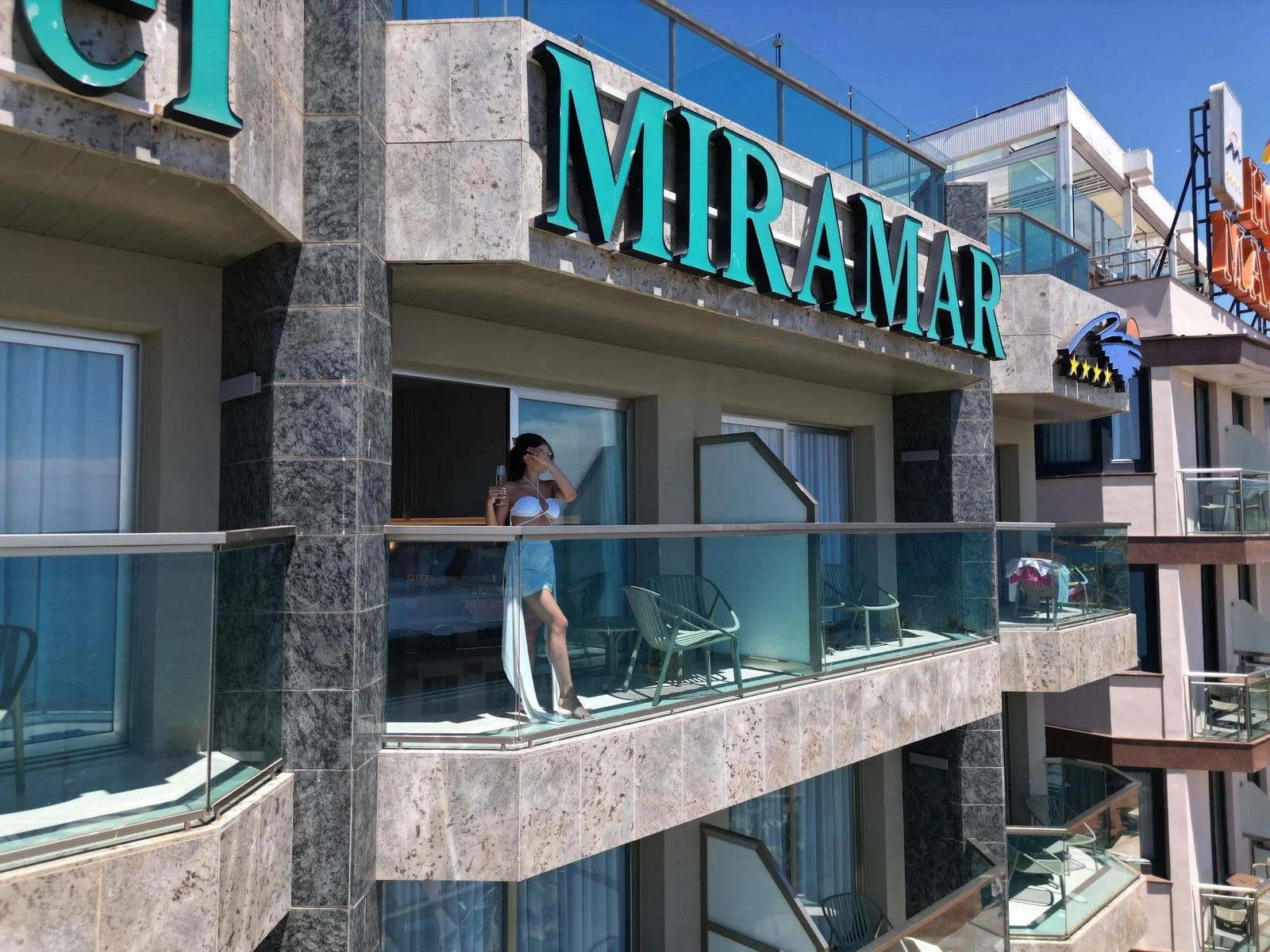
- Choose your room wisely: for a short break, a room with a terrace and sea views makes all the difference.
- Book in advance: weekends in the high season fill up quickly.
Frequently asked questions
Is a weekend in Lloret de Mar worth it outside the summer?
Absolutely. In spring and autumn the town is quieter, the weather is pleasant for walking and you can enjoy the coves at a relaxed pace.
Can you do it all without a car?
This plan, yes. Lloret is very walkable and the Camí de Ronda starts right on the beach. To get to Tossa you can take the bus or, in season, a boat.
Is it a good plan for couples?
It’s one of our couples’ favourite getaways: sunsets over the sea, quiet dinners and a pool with a view. It works really well for families too.
Book your weekend by the sea
Fancy putting this plan into practice? We’ll be waiting for you at the Hotel Miramar, with the sea just a few steps away. When you book on our official website, you get our best price guarantee and exclusive offers, such as our Early Booking deal with 10% off.
Many people arrive in Lloret thinking only of the beach, and leave amazed at how much walking there is to do. With pine woods tumbling down to the sea, hidden coves and an interior of forests and hermitages, the hiking routes in Lloret de Mar could easily fill several days. Best of all, many of them start practically on the seafront promenade, so you can leave the car parked and set off on foot.
Here are our favourite routes, ordered from easiest to most demanding, along with a few tips from people who walk them regularly.
The best hiking routes in Lloret de Mar along the coast
1. Camí de Ronda to Fenals and Santa Cristina
This is the classic. From the end of Lloret beach that faces Fenals, the path climbs past the Dona Marinera statue, skirts Cala Banys, passes the Castell de Sant Joan and a viewpoint, then drops down to Fenals beach. From there you can carry on to Santa Cristina, with its hermitage and coves. This stretch of the GR 92 has short ups and downs and a few flights of steps, but it is suitable for almost everyone with comfortable footwear.
If you fancy combining nature with a garden, the Santa Clotilde Gardens lie along the way: a Noucentisme-style garden by the sea that is well worth visiting at a leisurely pace. We tell you all about it in our guide to Santa Clotilde.
2. To Cala Canyelles and on towards Tossa
Heading north, the Camí de Ronda starts at the other end of Lloret beach, next to the Castell d’en Plaja and Sa Caleta, and winds between pines and cliffs towards Cala Canyelles. Keen walkers can continue towards Tossa de Mar: it is a longer route with more climbing, so it is best to set off early, take plenty of water and plan your return. We share ideas for combining it with a boat trip or bus in our post from Lloret to Tossa de Mar.
3. History on foot: Turó Rodó and Puig de Castellet
Lloret has two Iberian sites that you can easily add to a walk: the settlement of Turó Rodó, on a headland by the sea, and that of Puig de Castellet, on a hill near Fenals. They are short stops, but they help you appreciate that this coast was inhabited long before tourism arrived, and the views from the top make every step worthwhile.
Hiking inland from Lloret
Venture a few kilometres away from the sea and the landscape changes: cork oaks, holm oaks, meadows and traditional farmhouses. It is a side of Lloret that few people know, and a welcome one on the hottest days, when the forest offers plenty of shade.
4. The hermitage trail
One of the prettiest routes inland links several of the hermitages in the municipality, such as Santa Cristina, by the sea, and Les Alegries, in a peaceful rural setting. It is a longer route, ideal for a whole morning; download the track before you set off, as it combines tracks and paths and has several junctions.
5. Forest tracks and cycling
The forest tracks inland are also popular with mountain bikers and runners. If you are on foot, share the path considerately and keep to the right on downhill stretches.
Practical tips for your walks
- Best time of year: spring and autumn are ideal; in summer, head out first thing and avoid the middle of the day.
- Water and sun: take more water than you think you need, plus a hat and sun cream. Some stretches of the coast have no shade.
- Footwear: trainers with a good grip; the Camí de Ronda has steps, rock and sandy sections.
- Swimming costume in your rucksack: many coastal routes pass by coves that are just too tempting not to dive into.
- Respect the environment: stick to the signposted paths and take your rubbish with you.
Hotel Miramar, your base camp
Staying at the Hotel Miramar offers a clear advantage for walkers: we are right on the seafront, on Passeig Jacint Verdaguer, just a few steps from the beach and the start of the Camí de Ronda. Step out of the door and within minutes you are on the path.
Before you set off, our buffet breakfast, with fresh fruit, hot dishes, pastries and juices, is the best way to fuel up. And when you get back, the rooftop pool with sea views and the sauna are the perfect reward for tired legs. If you like to keep moving, we also have a gym.
Frequently asked questions about hiking in Lloret de Mar
Is the Camí de Ronda in Lloret difficult?
The stretch to Fenals and Santa Cristina is easy for anyone with a reasonable level of fitness, although it does have steps and a few short climbs. The route towards Tossa is longer and more demanding.
Can you go hiking in Lloret with children?
Yes. The short stretch to Fenals, with a stop at the beach, works really well for families. Keep a close eye on little ones along the sections beside the cliffs.
Are the routes signposted?
The Camí de Ronda follows the GR 92 waymarks and is well signposted. Inland there are more junctions, so we recommend carrying the track on your phone.
Book your active break in Lloret
Coastal walks in the morning, a pool with a view in the afternoon: that is Lloret as experienced from the Hotel Miramar. Book directly on our website to get the best price and exclusive offers, such as our Early Booking with 10% off.
Ask those of us who live here to name our favourite month and many of us will give you the same answer: September. The Costa Brava in September keeps the best of summer (long days, warm sea, open terraces) without the crowds of July and August. It’s when the coves can breathe again, the coastal paths are a pleasure to walk and finding a table for dinner is no longer a race.
In this guide, we’ll tell you what to expect from the weather, which plans work best at this time of year and why Lloret de Mar makes such a comfortable base for exploring the Girona coast as summer begins to wind down.
Why visit the Costa Brava in September
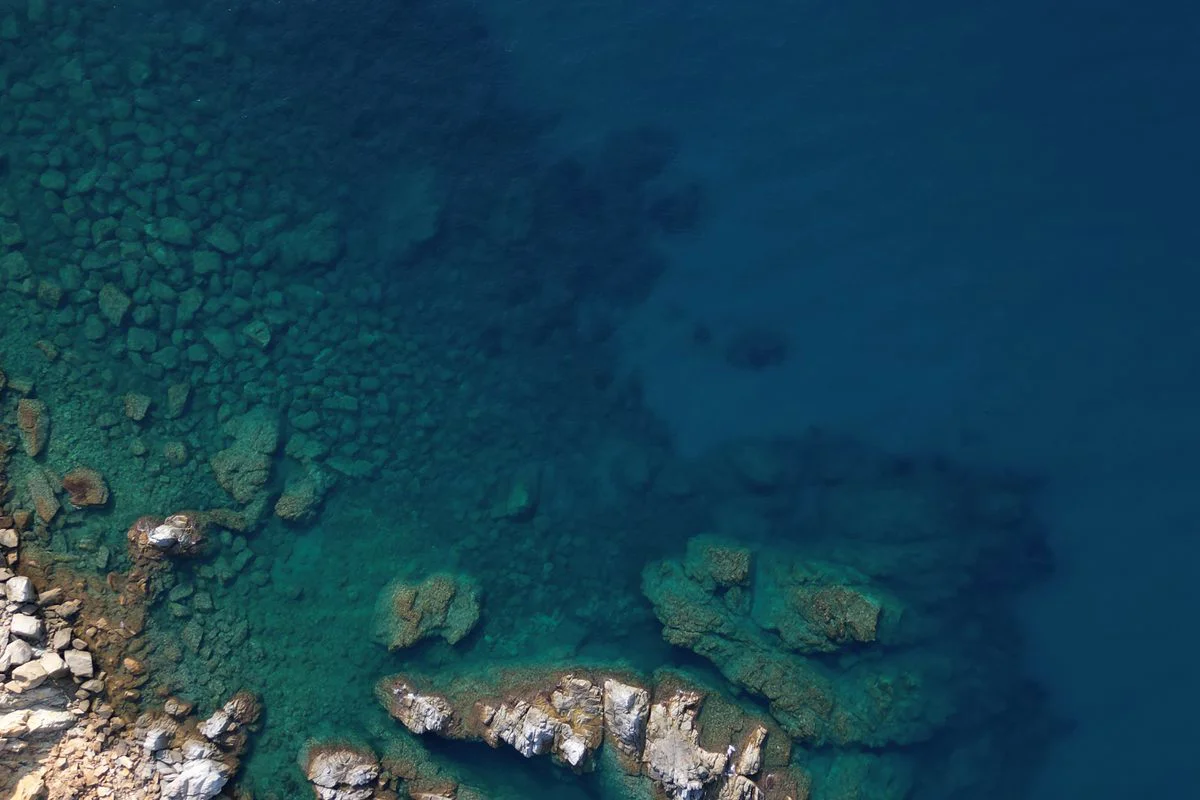
The main reason is balance. The Mediterranean reaches September after months of sunshine, so the water is often warmer than in June, and the atmosphere is far more relaxed. Families with school-age children have headed home and the pace of the town changes: more strollers, fewer rushed moments.
- Beaches with room to spare: on the Platja de Lloret or at Fenals, you can lay out your towel without hunting for a gap.
- More accessible coves: Santa Cristina, Sa Boadella and Cala Canyelles are much more peaceful to enjoy.
- Pleasant temperatures for walking: the middle of the day is still perfect for a swim, while mornings and late afternoons are ideal for walks and hikes.
- Better booking conditions: outside peak season there’s usually more availability, especially midweek.
What’s the weather like in September?
September on the Costa Brava is generally warm and sunny, especially in the first half of the month. As the weeks go by, the sun sets earlier and some evenings turn cooler, so it’s worth bringing a light jacket for dining out. It’s also the time of year when end-of-summer storms can roll in. They’re usually short, but it’s worth checking the forecast before heading out in a kayak or setting off on a long walk.
Our advice as your hosts: plan your swim for midday and save excursions for the morning or late afternoon. And don’t forget the sun cream; September sunshine can be deceptive.
What to do on the Costa Brava in September from Lloret
Swim without the crowds
This is the perfect month to explore the coves that can be harder to enjoy in August. If you like snorkelling, the rocks around Santa Cristina and Cala Canyelles have wonderful underwater scenery. You’ll find more ideas in our guide to Lloret’s beaches and coves and in our post on snorkelling and kayaking.
Walk the Camí de Ronda
The old coastal path (part of the GR 92) links Lloret with Fenals and Santa Cristina and, heading north, continues towards Tossa de Mar. With cooler temperatures and fewer people, September is the perfect time to walk it. You’ll find all the details in our guide to the Camí de Ronda in Lloret.
Culture and gardens
The Santa Clotilde Gardens, overlooking the sea, look especially beautiful in the soft light of late summer. In the town centre, it’s well worth visiting the church of Sant Romà, the Museu del Mar and the Modernista cemetery. And if you fancy venturing further afield, Tossa de Mar with its Vila Vella, or the city of Girona, make very rewarding day trips at this time of year.
11 September
On 11 September, Catalonia celebrates the Diada, its national day. It’s a public holiday, so you’ll find a more local atmosphere and some shops closed; bear this in mind when planning your shopping or excursions.
Where to stay: Hotel Miramar on the seafront
To make the most of the Costa Brava in September, there’s nothing like waking up with the sea right in front of you. The Hotel Miramar, a 4-star superior hotel on the Passeig Jacint Verdaguer, sits right on the seafront, just steps from Lloret beach. From here you can set off on foot for the Camí de Ronda or the old town without needing a car.
After the beach, the rooftop pool with views over the Mediterranean is one of our guests’ favourite spots in September, when the sun is no longer so fierce. And in the morning, there’s nothing better than starting the day with our buffet breakfast, with pastries, fresh fruit, hot dishes and juices, before heading out to explore.
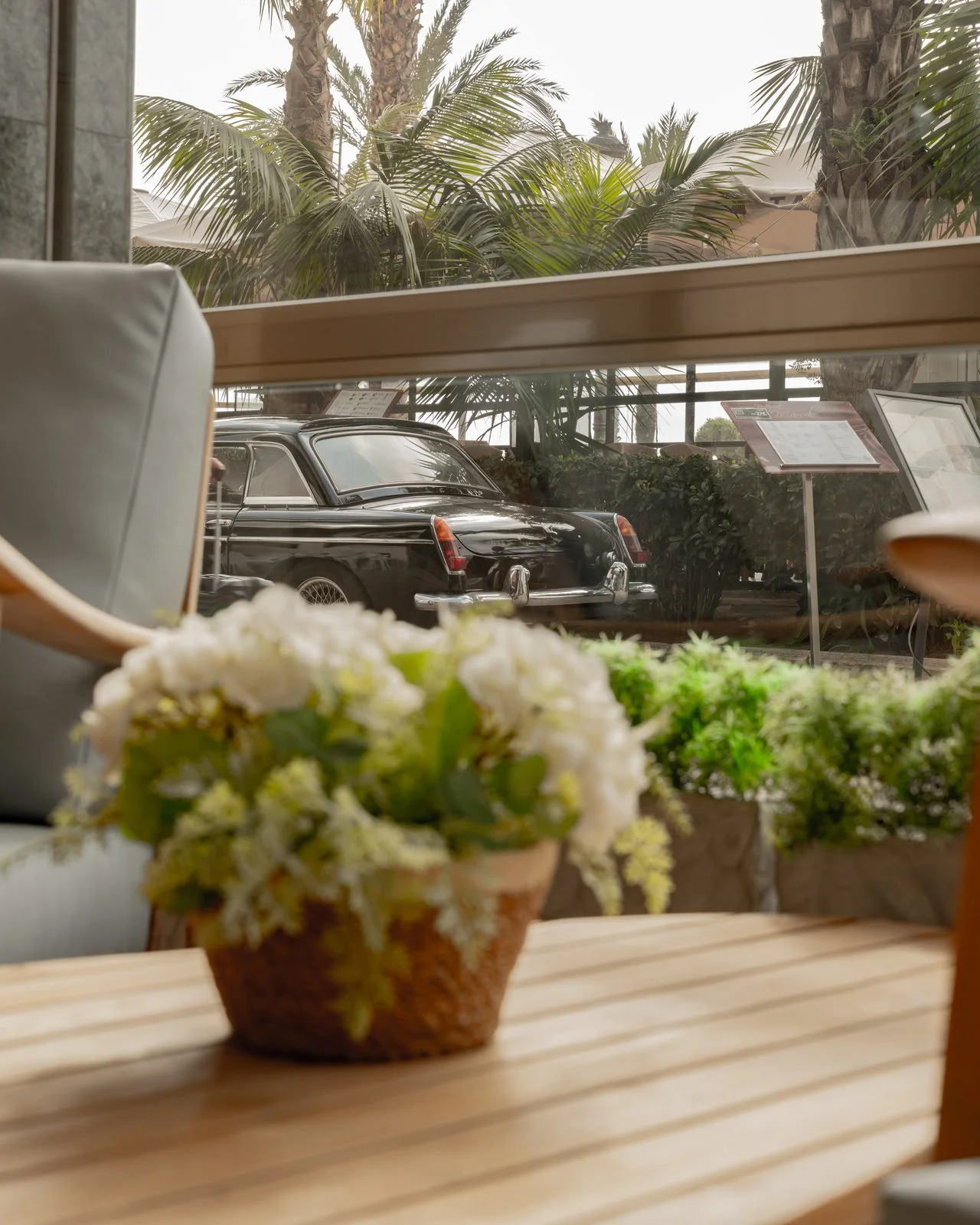
Some rooms have a terrace and sea views, such as the Double Sea View with Terrace: ideal for enjoying a drink at sunset as the promenade grows quiet. If you’re extending your getaway into October, take a look at our guide to Lloret de Mar in autumn.
Frequently asked questions about the Costa Brava in September
Can you swim on the Costa Brava in September?
Yes. After a whole summer of sunshine the water is usually lovely, and for many people it’s the best month for a swim. Just keep an eye out for windy days or swell, which sometimes appear at the end of the season.
Is Lloret de Mar busy in September?
Much less so than in August. The first couple of weeks still have a summery buzz, and from mid-month the town becomes quieter, which is perfect for couples and travellers looking for some peace.
What should I pack for September?
Summer clothes and swimwear, comfortable shoes for walking along the coastal paths and a light layer for the evenings or in case a storm blows in.
Book your September by the sea
If you’d like to discover the Costa Brava in September with the sea just a few steps away, we’ll be delighted to welcome you at the Hotel Miramar. By booking directly on our website you’ll get the best price and access to exclusive offers, such as our 10% Early Booking discount when you book in advance.
Many people come to Lloret thinking only of beaches, but the town holds a surprising architectural heritage from the late 19th and early 20th centuries. Modernist Lloret de Mar is the legacy of the “americanos”, locals who emigrated to the Americas, made their fortunes and came home to build houses, family tombs and chapels designed by some of the great names of Catalan Modernisme. Here’s a walk to help you discover it.
Modernist Lloret de Mar: the legacy of the americanos
During the 19th century, many people from Lloret set sail for Cuba, Puerto Rico, Argentina and other ports across the Americas. Those who returned with money, known here as “americanos” or indianos, wanted to show off their success in their home town. It coincided with the golden age of Modernisme in Catalonia, and the result is a collection of buildings that you can now explore on foot in a single morning, with the sea never far away.
The Cementiri Modernista: funerary art facing the Mediterranean
This is the jewel in the crown of Lloret’s Modernista heritage and one of the most distinctive cemeteries in Catalonia. Designed by Joaquim Artau in the late 19th century, it gradually filled with family tombs commissioned by the americanos, who wanted their prestige to be seen here too.
Leading architects and sculptors worked along its avenues, including Josep Puig i Cadafalch, Antoni M. Gallissà, Vicenç Artigas and Bonaventura Conill, as well as sculptors such as Eusebi Arnau and Ismael Smith. The result is a genuine open-air museum of Modernista funerary art: angels, plant motifs, stained glass and shapes reminiscent of the Gaudí school. The cemetery is part of the European Cemeteries Route.
Tips for your visit
- Remember that this is a working cemetery, so please visit respectfully and quietly.
- The best light is first thing in the morning or in the mid-afternoon.
- Lloret’s tourist office runs guided tours at certain times of year; check with them for the current programme.

Sant Romà church: Gothic with a Modernista touch
In the heart of the old town, just a few minutes from the seafront promenade, stands the parish church of Sant Romà. The present building was consecrated in 1522 and follows the Catalan Gothic style; it was built close to the sea, where the town’s fishermen and sailors lived.
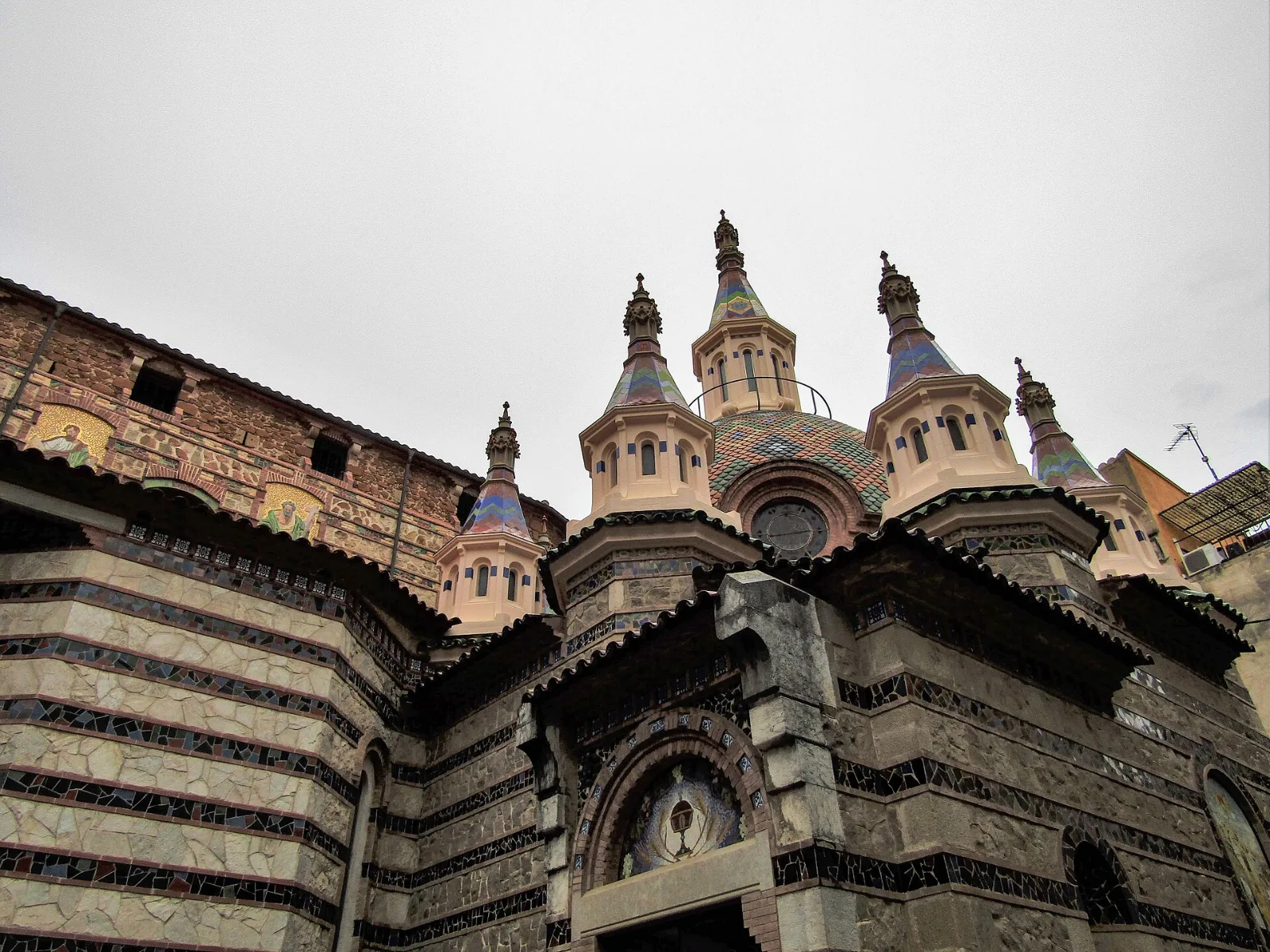
In the early 20th century, the Chapel of the Blessed Sacrament was added, designed by the Modernista architect Bonaventura Conill and paid for with the americanos’ fortunes. As a result, Sant Romà today combines Gothic sobriety with Modernista details and a colourful exterior that, on a sunny day, is one of the most cheerful sights in Lloret.
Indianos’ houses and the Museu del Mar
Stroll along the seafront promenade and through the streets of the town centre with your eyes raised: you’ll spot wrought-iron balconies, galleries, gardens and decorative details that reveal the taste of the americanos who built them. Many of these houses are still private homes, so they are best enjoyed from the street.
The easiest one to visit is Can Garriga, one of the town’s most important indianos’ houses, which is now home to the Museu del Mar. Inside, you’ll discover Lloret’s seafaring history and the journeys of those who crossed the Atlantic. It’s the perfect complement for making sense of the rest of the route.
A walking route through Modernist Lloret
- Start at the Cementiri Modernista first thing, when it’s quietest.
- Head down towards the centre and wander through the old town’s streets, taking in the façades.
- Visit the Museu del Mar at Can Garriga, on the seafront promenade.
- Finish at Sant Romà church, then treat yourself to a swim at Lloret beach.
If you have time left, round off the day with the Santa Clotilde Gardens, a Noucentista garden overlooking the sea, or with a walk to the Dona Marinera. You’ll find more ideas in our guide to what to see in Lloret de Mar.
Where to stay to discover Modernist Lloret
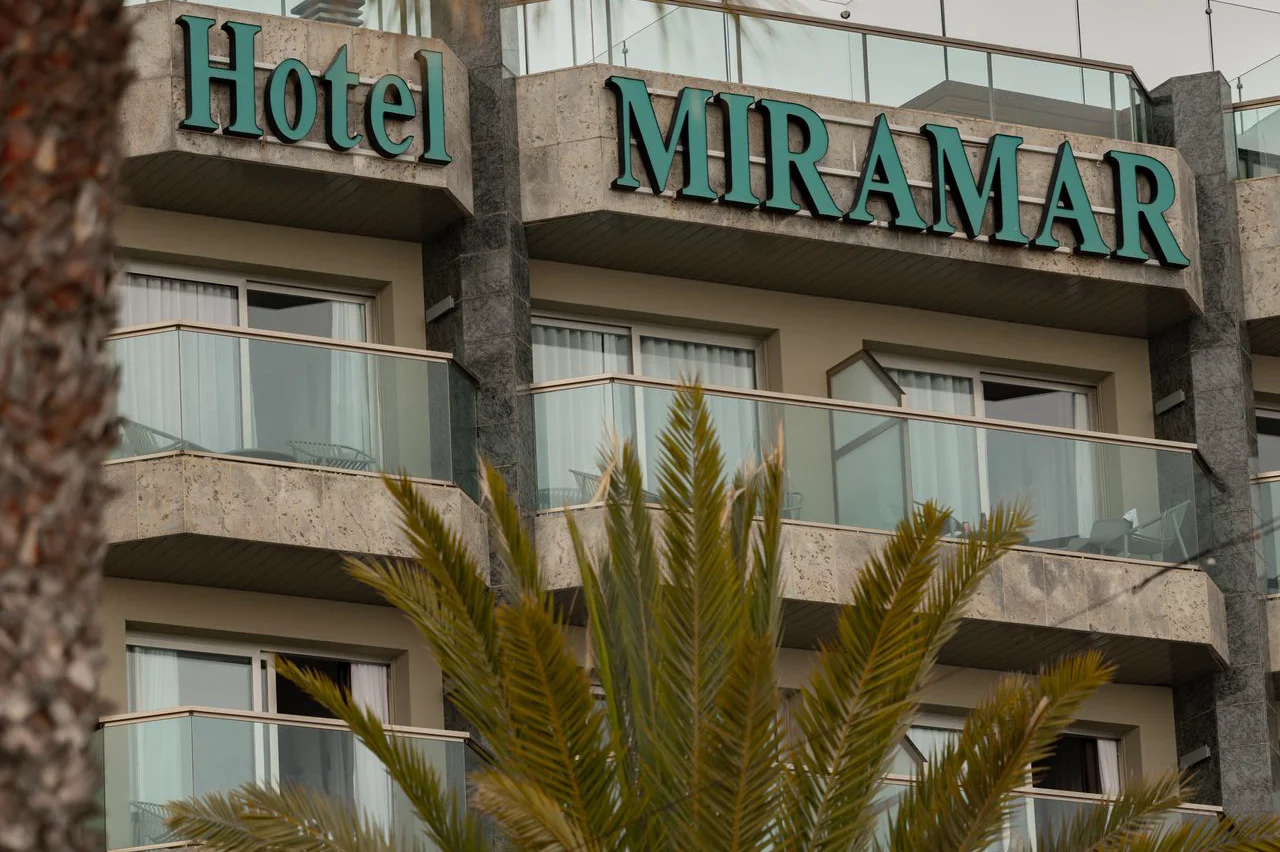
The Hotel Miramar is on Passeig Jacint Verdaguer, right on the seafront and a short stroll from the old town, Sant Romà and the Museu del Mar. You can do the whole route on foot and be back by lunchtime for a dip in the rooftop pool, with views over the Mediterranean. In the morning, our buffet breakfast will give you the energy to set off.
Frequently asked questions
Can you visit Lloret’s Modernist cemetery?
Yes, you can visit freely, as long as you remember that it is a working cemetery. Guided tours are available at certain times of year; check with the tourist office.
Who were Lloret’s americanos?
They were locals who emigrated to the Americas in the 19th century, made their fortunes and returned home, funding houses, family tombs and works such as the Chapel of the Blessed Sacrament at Sant Romà.
How long does the Modernist route take?
A morning is enough to see the cemetery, the old town, the Museu del Mar and Sant Romà without rushing.
Book your cultural getaway to Lloret
Beach, history and art just steps from your room. Book directly on our website for the best price and exclusive offers, such as our Early Booking deal with a 10% discount.
Tossa de Mar is Lloret’s most famous neighbour and one of the prettiest postcard views on the Costa Brava. Getting to Tossa de Mar from Lloret is one of the day trips we recommend most to our guests: it’s very close, and you can do it in three quite different ways: by boat, on foot along the coastal path, or by car. Here’s what each option is like, and what not to miss when you arrive.
Tossa de Mar from Lloret: three ways to get there
Between Lloret and Tossa the coastline turns rugged: cliffs, pine woods running right down to the water and hidden coves. That’s why the journey itself is already part of the outing. Choose whichever suits your pace and what you feel like doing that day.
By boat: the coast from the sea
In season, boats leave from Lloret beach and hug the coast all the way to Tossa, with stops at other points along the shoreline. It’s the most relaxed way to go and the most spectacular, because from the water you see coves and cliffs that can’t be reached by land. Some services work like a “water bus” with an all-day ticket, so you can head to Tossa, spend the morning there and come back whenever you like. Check timetables and conditions directly with the boat operators on the seafront, as they change depending on the time of year and the state of the sea.
On foot: the Camí de Ronda to Tossa
For walkers, the Camí de Ronda (which here largely follows the GR 92) links Lloret and Tossa along the coast. It’s a beautiful route, but a demanding one: there are constant ups and downs, stretches of track and of path, and few water points, so you’ll need a full day. Along the way you’ll pass close to Cala Canyelles and several secluded coves where you’ll be tempted to stop for a swim. If that sounds like too much, you can walk just one section and turn back, or walk to Tossa and return by boat or bus. You’ll find more details in our guide to the Camí de Ronda in Lloret de Mar.
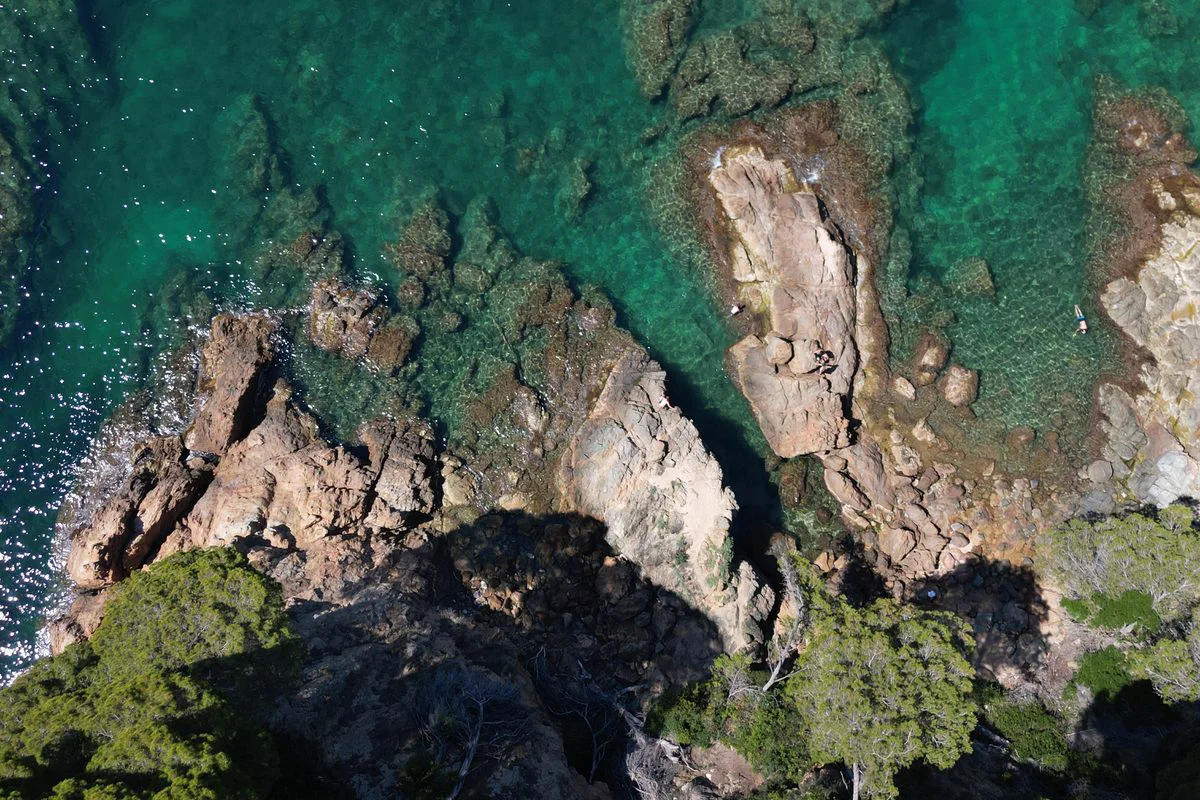
By car or bus: the coast road
The GI-682 road links Lloret and Tossa along the coast, with plenty of bends and a few viewpoints over the sea. It’s a short journey in terms of distance, but it’s best taken slowly. In summer, parking in Tossa fills up early, so it’s better to arrive in good time. If you’d rather not drive, there are regular buses between Lloret and Tossa; check the timetables at Lloret bus station before you set off.
What to see in Tossa de Mar
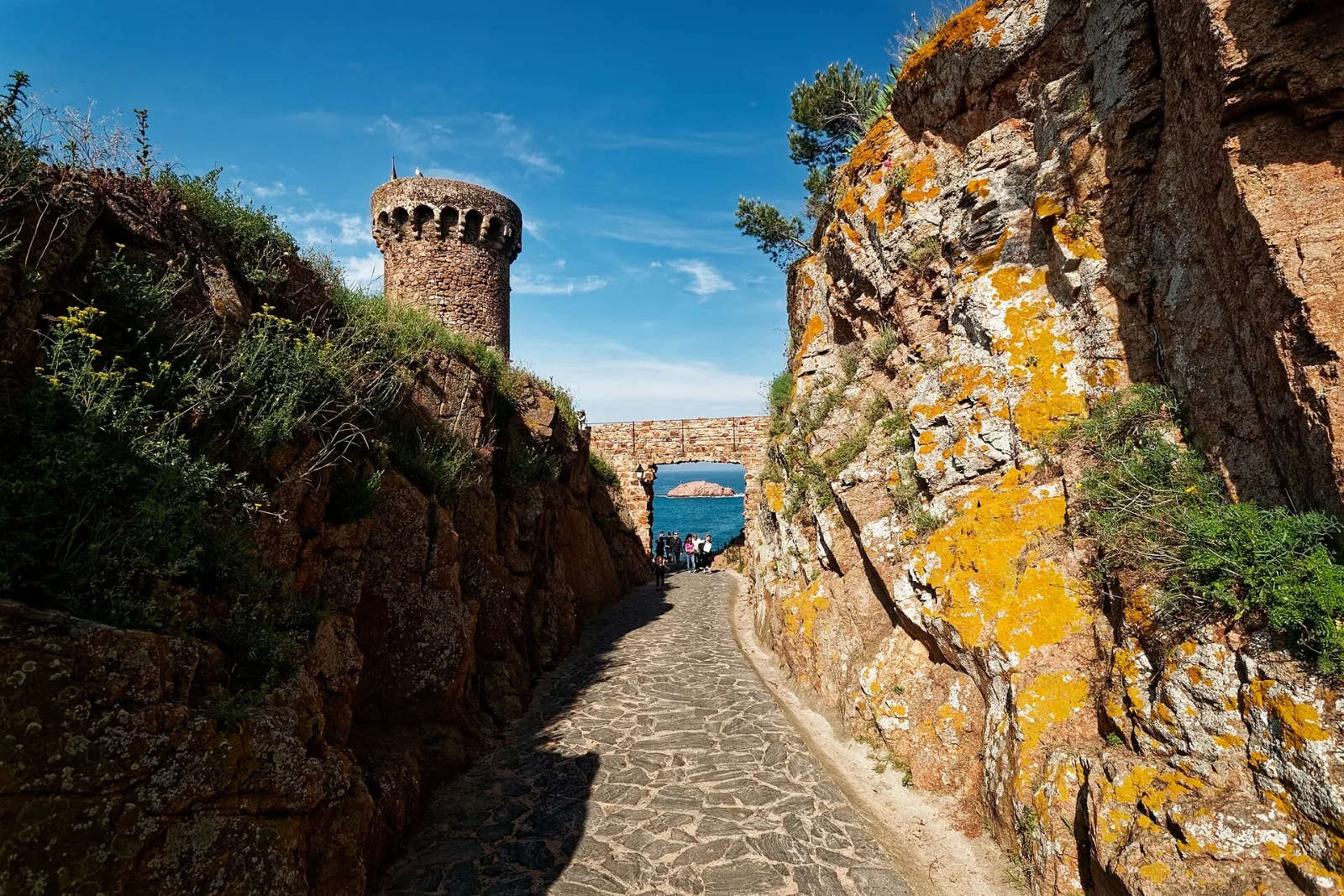
- The Vila Vella. The walled medieval old town, with its towers and cobbled lanes, is Tossa’s greatest treasure and is considered the only surviving example of a fortified medieval town on the Catalan coast. Climb to the top for views over the bay.
- The lighthouse and viewpoints. At the top of the Vila Vella you’ll find the lighthouse, with open views across the Mediterranean.
- The Platja Gran. The main beach, at the foot of the walls, is one of the most photographed scenes on the Costa Brava.
- The Ava Gardner statue. A reminder of the filming of Pandora and the Flying Dutchman in Tossa in the early 1950s.
- The Roman villa of Els Ametllers. Archaeological remains showing that the area was already inhabited in Roman times.
Tips for your day trip
- Mix your transport. Walking there and coming back by boat (or the other way round) is a fantastic way to see the coast from both sides.
- Pack your swimming gear. The coves along the path and the Platja Gran itself are just begging for a dip.
- Start early in summer. Tossa is very popular in August; first thing in the morning, the Vila Vella is far more enjoyable.
- Check the forecast. If there’s a swell, boats may not sail and the path can be more slippery.
If you’re hungry for more, our article on day trips on the Costa Brava from Lloret has plenty of other ideas, from Girona to Barcelona.
Your base for exploring the coast
Staying at Hotel Miramar, right on Lloret’s seafront promenade, puts you just a few steps from the beach where the boats depart and very close to the start of the Camí de Ronda. Start the day with a good buffet breakfast, set off for Tossa and, when you get back, cool off in the rooftop pool with its sea views.
Frequently asked questions
Can you get from Lloret to Tossa by boat?
Yes, in season there are boats that leave from Lloret beach and follow the coast to Tossa. Check timetables with the boat operators, as they vary depending on the time of year and the state of the sea.
Is it hard to walk from Lloret to Tossa?
It’s a lovely route, but long and with some steep sections, so it’s best suited to walkers with a bit of experience. Take water, wear suitable footwear and set off early.
Is there a bus between Lloret and Tossa?
Yes, there are regular buses between the two towns. Check the latest timetables at Lloret bus station.
Book your stay in Lloret de Mar
Fancy discovering Tossa and the rest of the Costa Brava from a hotel by the sea? Book directly on our website for the best price and exclusive offers, such as our Early Booking deal with 10% off.
August is when the Costa Brava is at its liveliest: long days, warm water, busy terraces and a buzz that lasts well into the night. Spending summer in Lloret de Mar is a wonderful experience if you know how to plan it. As hosts who welcome thousands of guests every season, we’re sharing our tips for enjoying August without the stress and with time for everything.
Lloret de Mar in summer: what August is like on the coast
At the height of summer, Lloret has a distinctly Mediterranean rhythm. Mornings are the best time for the beach and the coves; by midday the sun is fierce and all you want is some shade, an unhurried lunch and a bit of rest; and from mid-afternoon the seafront promenade and the old town fill with people strolling, dining out and making the evening last. Slipping into that rhythm is the first secret to enjoying your stay.
It’s also the busiest time of year, so it pays to plan ahead a little: book your accommodation early, get up early for the smaller coves and have a few alternatives up your sleeve in case the sea is rough one day.
Tips for enjoying the beach in August
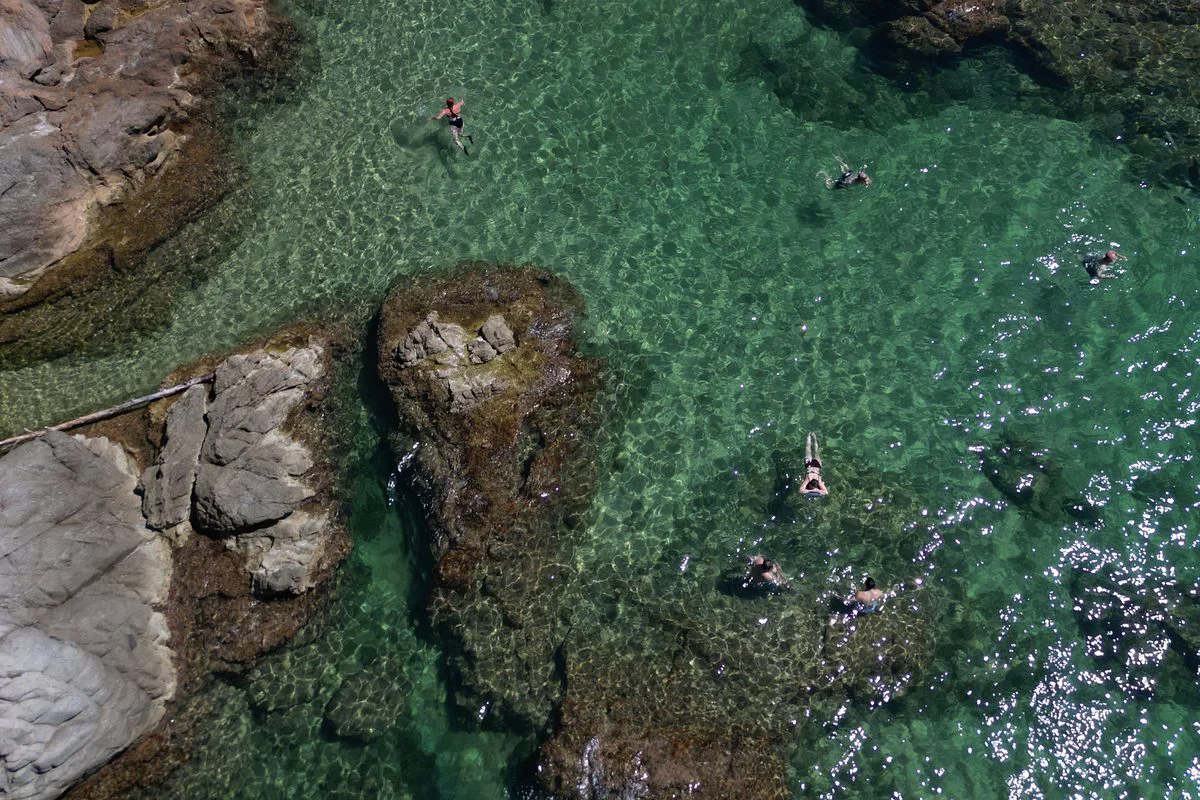
- Be an early riser. First thing in the morning, Lloret’s beach is peaceful, the water is usually calm and the light is beautiful. It’s the best time for a swim.
- Explore beyond the main beach. Fenals, Santa Cristina, Sa Boadella and Cala Canyelles each offer a different setting. We introduce them in our guide to the beaches of Lloret de Mar.
- Protect yourself from the sun. Sunscreen, a hat, plenty of water and a parasol are must-haves. If you’re travelling with children, avoid the middle of the day.
- Give snorkelling a go. The rocks around the coves hide a surprising underwater world. You’ll find some ideas in our post on snorkelling in Lloret de Mar.
When the heat is on: plans in the shade and out of the sun
The middle of the day in August calls for something more relaxed. Here are a few ideas that work really well:
- Santa Clotilde Gardens. A Noucentista-style garden above the sea, with pine trees, stone stairways and viewpoints. Ideal late in the afternoon. Find out more in our guide to Santa Clotilde.
- Museu del Mar. On the seafront promenade, this is the place to discover Lloret’s seafaring past and the story of the “Americanos” who made their fortunes on the other side of the Atlantic.
- A siesta or a dip in the pool. You don’t have to do everything: heading back to the hotel for a rest is part of the plan.
At Hotel Miramar, the outdoor rooftop pool, with views over the Mediterranean, is our favourite refuge for those hours. If you’d rather switch off completely, there’s also a sauna and a gym. And the lobby bar-café is perfect for a cold drink before heading back out.
Walking the coast in summer: yes, but go early
The Camí de Ronda is one of Lloret’s great treasures: paths winding through the pines, linking coves and viewpoints. In August, though, it’s best to set off first thing in the morning or late in the afternoon, with water and comfortable footwear. The stretch towards Fenals and Santa Cristina is short and very rewarding. We explain it all in our guide to the Camí de Ronda coastal path in Lloret de Mar.

August nights in Lloret
When the sun goes down, the seafront promenade becomes the heart of everything. Stroll to the Dona Marinera statue, head up to take in the bay from around Castell d’en Plaja, or get lost in the streets of the old town around the church of Sant Romà. For dinner, there’s something for every taste, from traditional seafood cooking to tapas to share; you’ll find ideas in our article on where to eat in Lloret de Mar.
If you visit Lloret at the end of July, you’ll coincide with the Santa Cristina festivities, with the maritime procession of boats to the chapel. It’s one of the loveliest traditions on the Costa Brava.
Where to stay in Lloret in summer
In August, location is everything. Staying right on the seafront means you can be on the beach within a minute, come back at midday without needing the car and head out in the evening on foot. Hotel Miramar is on Passeig Jacint Verdaguer, facing the sea, with refurbished rooms (some with a terrace and sea views) and a very full buffet breakfast to set you up for the day.
Frequently asked questions
Is it very hot in Lloret de Mar in August?
It’s the height of the Mediterranean summer: warm, sunny days and mild nights. The sea breeze helps, but it’s best to avoid the strong midday sun.
Do I need to book in advance in summer?
Yes, especially if you’d like a room with sea views. Booking early on our official website also lets you take advantage of offers such as the Early Booking discount.
What can I do in Lloret if the sea is rough?
Visit the Santa Clotilde Gardens, the Museu del Mar or the old town, or take a day trip to Tossa de Mar, Girona or Barcelona.
Book your summer in Lloret de Mar
If you’re already thinking about your next summer on the Costa Brava, book directly on our website: you’ll find the best price and exclusive offers such as our Early Booking with 10% off.
Few things change a holiday quite like opening the curtains in the morning and finding the Mediterranean right in front of you. If you’re looking for a sea view room in Lloret de Mar, this article covers what to look out for, which types of rooms you’ll find at Hotel Miramar and how to make the most of those views, from your first coffee to the last light of the day.
Why a sea view room in Lloret de Mar is worth it
Lloret lives facing the water. Its main beach forms an open bay, flanked by the Castell d’en Plaja on one side and the pine woods along the path to Fenals on the other. From a sea-facing room you don’t just see the beach: you watch the colour of the water change throughout the day, the boats heading out early, the promenade filling up at sunset and, if you’re lucky, a sailing boat gliding across the bay.
A room with a view is also surprisingly practical: it helps you decide what to do with your day. If the sea is calm first thing, it’s the perfect moment for a swim or a spot of snorkelling in a cove; if the wind picks up, it might be a day for a stroll around the old town or a trip to Girona.
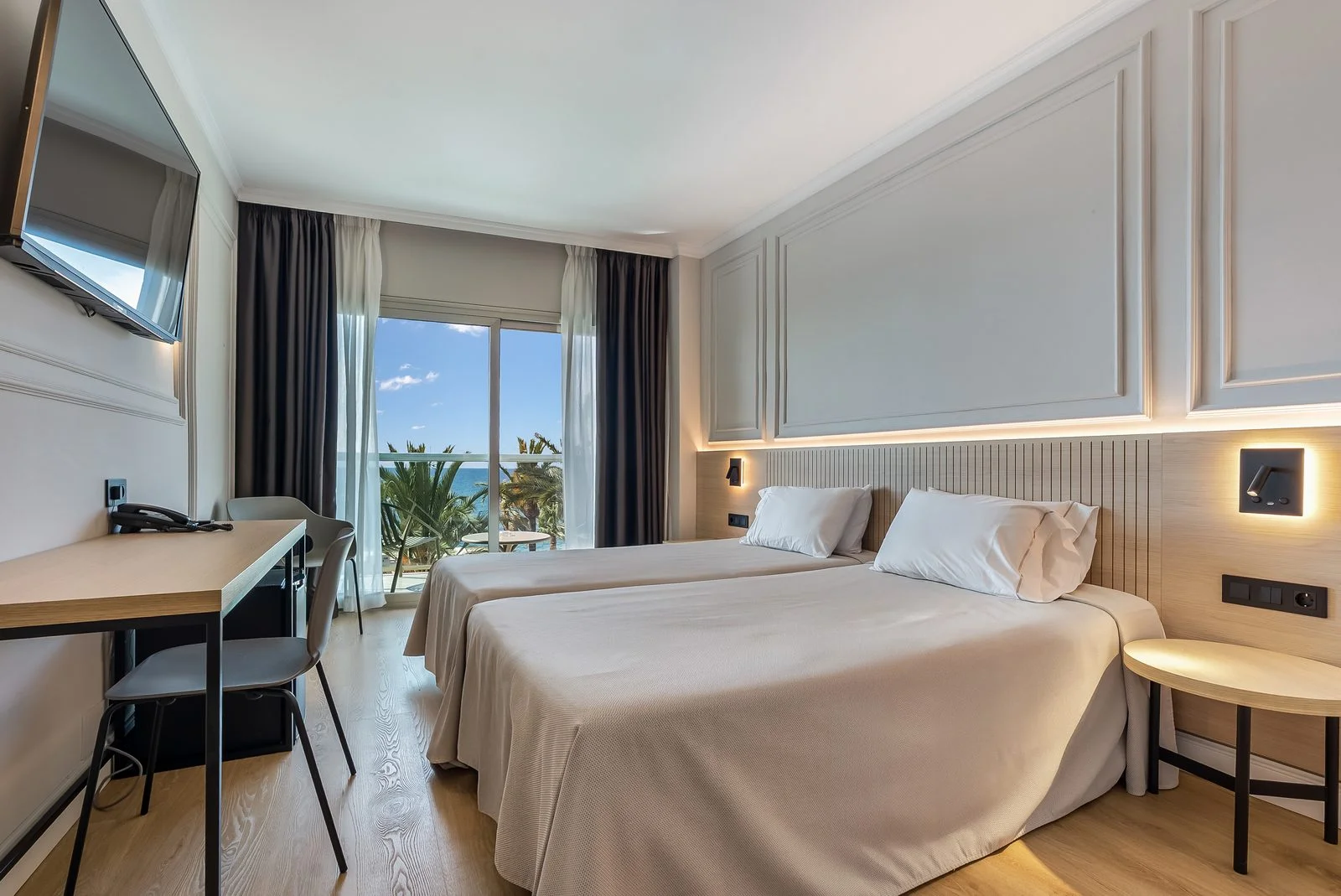
The rooms at Hotel Miramar: light, natural materials and the sea
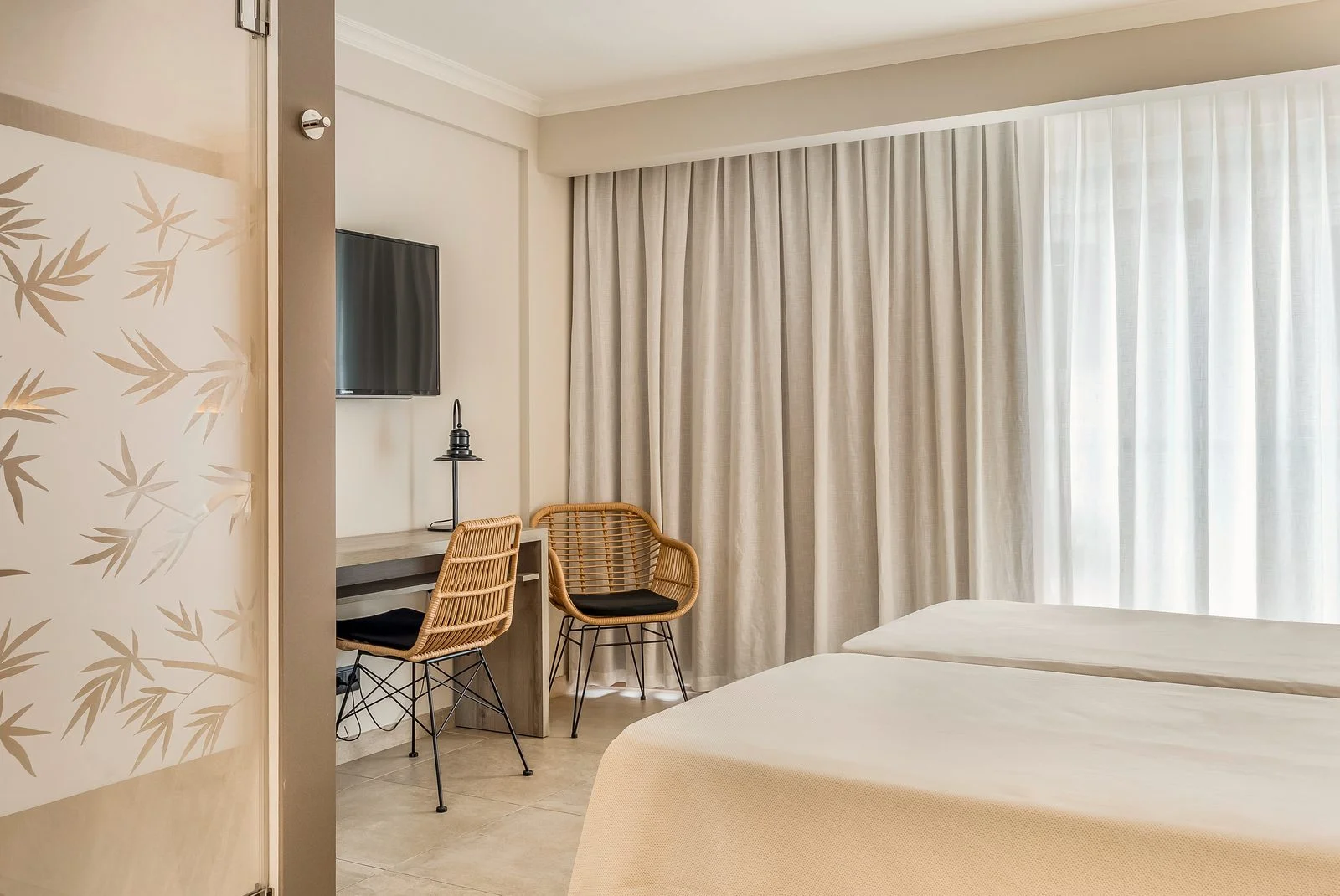
Hotel Miramar is a four-star superior seafront hotel on Passeig Jacint Verdaguer, just a few steps from the sand. Its rooms have been refurbished in a bright, natural style: soft colours, wood, gentle fabrics and nothing to distract you from what really matters, which is getting some rest.
All of them offer what you’d expect from a hotel of this category:
- Free Wi-Fi.
- LED TV.
- Safe.
- Minibar.
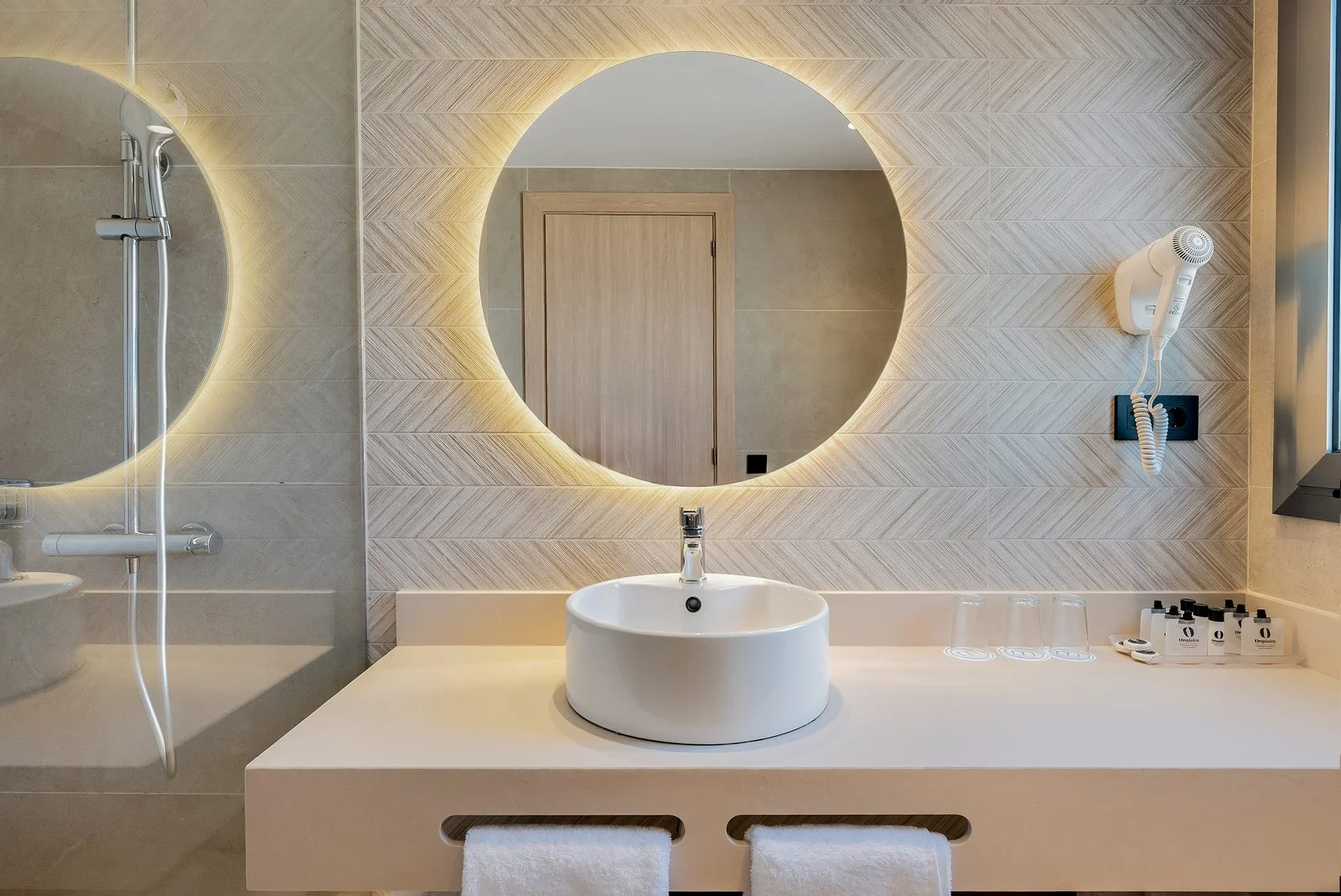
- Fully refurbished bathroom.
Double Sea View Room with Terrace
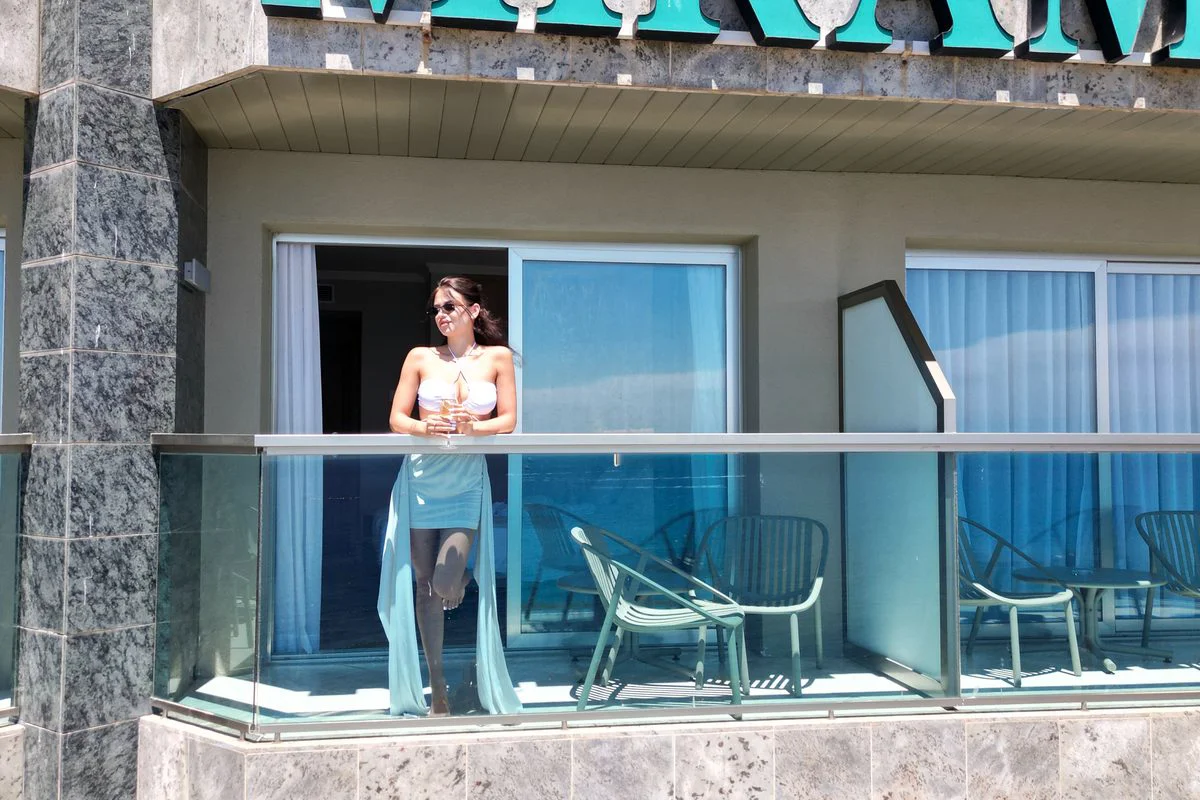
This is the room couples ask us for most, along with anyone who wants to really feel the sea. Some of the hotel’s rooms have a terrace and direct views over the Mediterranean, with the promenade and its palm trees right below. It’s the perfect spot for your first coffee of the day or a relaxed drink before dinner.
Tips for choosing your seafront room
- Book early for summer. Sea view rooms are the first to go in July and August, and over long weekends too.
- Check the exact room name. “Sea view” and “with terrace” don’t always go hand in hand; if a terrace is a must for you, choose the category that includes one.
- Think about the light. A room facing the bay gets plenty of natural light, which is ideal for early risers who like to enjoy the sea first thing, while the promenade is still quiet.
- Talk to our team. If you’re celebrating something special, let us know when you book and we’ll do our best to help.
Beyond the room: sea views from the rooftop too
Even if your room doesn’t have a view, at the Miramar the sea is never far away. The outdoor rooftop pool looks out over the Mediterranean and is many guests’ favourite place to spend the afternoon. We tell you all about it in our article on the hotel with a rooftop pool. You’ll also find a sauna and a gym, and in the morning a very complete buffet breakfast with pastries, fruit, hot dishes and fresh juices.
What to do when you leave your room
Being right on the seafront means all the best of Lloret is just a stroll away: the main beach in front of you, the old town with the church of Sant Romà behind, the Dona Marinera statue at the end of the promenade and the Camí de Ronda coastal path to Fenals and Santa Cristina. If you’d like some ideas, take a look at our guide to what to see in Lloret de Mar or the one on the best beaches and coves.
Frequently asked questions
Do all the rooms at Hotel Miramar have sea views?
Not all of them. Some rooms have a terrace and sea views, such as the Double Sea View Room with Terrace. If the view matters to you, choose that category when you book.
Is the hotel close to Lloret beach?
Yes. The hotel is on the seafront promenade, just a few steps from Lloret beach.
Is there parking at the hotel?
There is a paid car park about 400 metres from the hotel. We recommend checking this when you make your booking, especially in high season.
Book your sea view room
If you fancy waking up to the Mediterranean in front of you, book directly on our website: it’s where you’ll find the best price and exclusive offers, such as our Early Booking deal with 10% off.